Moving into your first place feels great until you’re standing in a grimy bathroom at 9 p.m. with zero idea where to start. A beginner house cleaning checklist, room by room, is exactly what most first-time renters wish they’d had from day one, instead, many learn by trial and error: scrubbing the toilet before wiping the ceiling fan, buying six specialty sprays when two would have done the job, or cleaning the floors first and then wondering why they’re already dusty. Nobody failed here. Cleaning systems aren’t commonly part of formal training for most people, and most of us piece them together over years of frustration.
What follows is a complete beginner house cleaning checklist broken into every major room, with the supplies you need, realistic time estimates, and a clear frequency schedule, daily, weekly, monthly, and deep-clean, so you always know what to do and when to do it. Qurabox puts together practical, Beginner’s Step-by-Step Guide for every first-time independent living challenge, from cleaning your first apartment to maintaining your first car, and this is one of them.
Following this guide will give you a reliable starting routine you can use every single week.
What to Buy Before You Touch a Single Surface
The right supplies matter more than most beginners realize. Walking into a dirty kitchen with the wrong tools either wastes your time or sends you back to the store mid-clean. Start with a tight, versatile kit that works across every room, then add a few room-specific extras as you need them.
The 10 Starter Supplies That Cover Almost Every Room
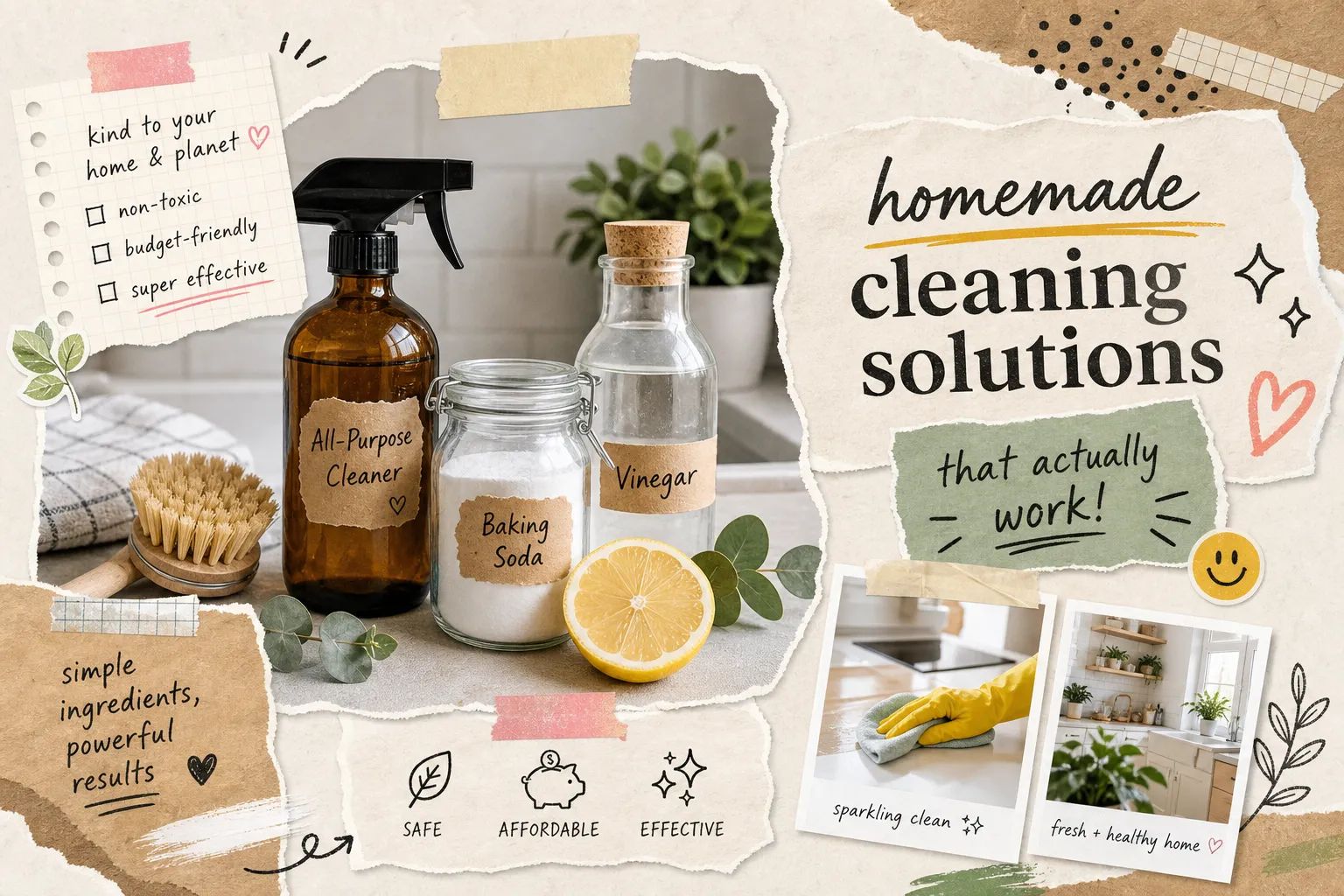
Buy these first: all-purpose cleaner, microfiber cloths, dish soap, white vinegar, baking soda, rubber gloves, sponges, a scrub brush, a vacuum, and a broom with dustpan. That list covers kitchen surfaces, bathroom grime, and floors without requiring a cabinet full of specialty products. White vinegar and baking soda pull double duty as natural cleaning agents. Vinegar cuts through mineral deposits and soap scum, while baking soda works as a gentle abrasive on sinks, tubs, and oven interiors.
Microfiber cloths are worth calling out specifically. They clean surfaces more effectively than paper towels, leave no lint or streaks on glass and mirrors, and they’re reusable. A pack of 12 commonly lasts many months for typical apartment cleaning and can replace most of your paper towel usage during cleaning sessions.
Room-Specific Add-Ons Worth Picking Up Early
For the bathroom, add a toilet brush, toilet bowl cleaner, and disinfecting wipes. For the kitchen, a degreaser or heavy-duty scrub pad makes stovetop grime manageable. For floors and glass, a flat microfiber mop handles most hard surfaces, and a separate glass cleaner gives mirrors and windows a streak-free finish. You don’t need all of this on day one. Start with the core 10, get your first full clean done, and fill in the gaps based on what your specific space actually needs.
The Right Order to Clean a Room (and Why It Changes Everything)
The most common beginner mistake is starting with floors. You vacuum the bedroom, then dust the shelves and watch everything settle right back down onto the carpet you just cleaned. Working without a system means re-cleaning surfaces you’ve already done, and that frustration adds up fast.
Top-to-Bottom, Dry Before Wet
Always start high. Dust ceiling corners, ceiling fans, and shelving first so debris falls down to surfaces you haven’t cleaned yet. Work down through mid-level surfaces: counters, sinks, tables, and fixtures. Finish with floors, sweep or vacuum first to collect loose debris, then mop wet floors last. Moving clockwise or left-to-right within the room prevents backtracking and keeps you from stepping on areas you’ve already cleaned.
How to Tackle the Whole Apartment Without Burning Out
Before touching any cleaning products, do a full clutter pass through every room. Pick up stray clothes, dishes, and anything that doesn’t belong on a surface you’re about to clean. Then work one room completely before moving to the next, visible, finished rooms keep motivation up in a way that jumping around never does.
For whole-apartment order, many cleaning guides recommend starting with bedrooms and living areas while you’re freshest, then moving to bathrooms, and finishing with the kitchen. That sequence minimizes backtracking and saves your hardest room for when your supplies and technique are warmed up. Run the dishwasher and a laundry load while you clean other rooms as an efficiency hack so those machines work in parallel with you.
Room-by-Room Beginner House Cleaning Checklist: Kitchen
The kitchen is the hardest room to maintain because it gets used multiple times every day and collects grease, food particles, and bacteria faster than any other space. Consistency here pays off more than anywhere else in the apartment. Your first kitchen clean will likely take 45 to 60 minutes. With a regular routine, that drops to 20 to 30 minutes weekly.
Daily and Weekly Kitchen Tasks
Daily (10 to 15 minutes): wipe counters after cooking, load the dishwasher or wash dishes by hand, wipe up any spills immediately, and take out trash as needed. These micro-habits keep the kitchen from becoming a project.
Weekly (20 to 30 minutes): scrub the sink, wipe appliance surfaces (microwave exterior, stovetop, and fridge door), sweep or mop the floor, and wipe down cabinet handles. Cabinet handles can trap grease and benefit from regular wiping, they’re often why a kitchen feels sticky even after a full clean.
Monthly and Deep-Clean Kitchen Tasks
Monthly: clean inside the microwave, wipe the inside of the fridge, and degrease stovetop grates or burners. A simple microwave trick: heat a bowl of water and vinegar for three minutes, let it steam, then wipe. Everything loosens immediately.
Deep-cleaning house checklist every one to three months: How to Clean an Oven (2026 Guide), clean cabinet fronts, pull the fridge out and clean beneath it, and sanitize the trash can inside and out. A baking soda paste handles oven interiors well, and a commercial degreaser cuts through stubborn stovetop buildup that vinegar alone won’t touch.
Beginner House Cleaning Checklist: Bathroom
The bathroom is the room first-time renters dread most, but it’s also the fastest room to maintain when cleaned on a consistent weekly schedule. Letting it go for a few weeks turns a 20-minute job into a much longer scrubbing session. Regularity is the entire strategy here.
Daily and Weekly Bathroom Tasks
Daily (5 minutes): wipe the sink counter after use, put toiletries away, and hang towels to dry properly. Disinfecting wipes can make the daily sink and toilet handle wipe-down quick and effortless.
Weekly (15 to 20 minutes): clean the toilet bowl, seat, tank exterior, and base; scrub the sink and faucet; wipe the mirror; clean the tub or shower walls; and mop the floor. This full sequence takes under 20 minutes once you have the routine dialed in, and it prevents nearly every deep-cleaning emergency.
Monthly and Deep-Clean Bathroom Tasks
Monthly: wipe the inside of the medicine cabinet, soak the showerhead in a bag of white vinegar to dissolve mineral deposits, and wash bath mats in the washing machine.
Deep clean every two to three months: scrub grout lines with a detail brush, clean the exhaust fan cover (a dusty fan is a humidity problem waiting to happen), wash the shower curtain and liner, and sanitize drawer organizers. If you’ve already fallen behind, tackle grout and the exhaust fan first, those two tasks make the biggest visual difference fastest.
Living Room, Bedroom, and Entryway Checklist
These three rooms are lower maintenance than the kitchen and bathroom, but skipping them lets dust, allergens, and clutter build up fast. Daily and weekly tasks here are short, and grouping all three rooms into one session works well.
Living Room Tasks and Time Estimates
Daily (5 minutes): tidy clutter, straighten pillows and throws, and wipe the coffee table if there are food rings or dust.
Weekly (15 to 20 minutes): dust shelves and décor, vacuum rugs and floors, wipe down electronics and remote controls (high-touch surfaces most people forget), and clean glass surfaces with glass cleaner. Remotes and light switches carry a surprising amount of bacteria and rarely get cleaned in a basic weekly routine, so adding them to your weekly list is worth it.
Deep clean every two to three months: vacuum upholstery, clean under furniture, and wash or steam-clean area rugs.
Bedroom Tasks and Time Estimates
Daily (5 minutes): make the bed and clear clothes off the floor or chair.
Weekly (15 to 20 minutes): strip and wash the bedsheets, dust nightstands and dressers, and vacuum the floors. Bedsheets should genuinely be washed every week, skin cells, sweat, and dust mites accumulate quickly, and changing sheets on a consistent weekly cycle is one of the highest-impact hygiene habits in the bedroom.
Deep clean quarterly: rotate and How to Clean a Mattress at Home (Step-by-Step), wash pillows and duvet covers, and organize the closet.
Entryway Tasks
The entryway is the smallest zone but one of the highest-traffic spots for tracked-in dirt. Daily (2 minutes): put shoes and bags away, wipe up any visible dirt. Weekly (5 to 10 minutes): sweep or vacuum the floor, wipe door handles and light switches. Keeping a doormat both inside and outside the front door cuts floor-cleaning time noticeably across the entire apartment by stopping dirt before it spreads.
A Simple Cleaning Schedule That Actually Holds
Knowing what to clean is half the equation. Knowing when to do it is what turns a room-by-room beginner cleaning checklist into an actual routine you’ll follow for years without having to think about it.
Daily Habits That Take Under 10 Minutes Total
After cooking, wipe the kitchen counters. Before bed, do a quick tidy in the living room and bedroom. Put dishes away the same day. Think of these as “reset habits” rather than cleaning tasks. They prevent the kind of accumulated mess that makes a full weekly clean feel overwhelming.
Weekly and Monthly Rhythm
If a single weekend cleaning session feels like too much, a manageable, realistic cleaning routine: bathroom on Wednesday, floors and living areas on Saturday. A physical checklist you can mark off reinforces the habit, the act of checking something off is a small but real motivational signal that makes the routine easier to stick with over time.
Monthly deep-clean tasks batch well into a single two-hour Saturday session once per month, which keeps the apartment in genuinely good shape without daily effort. Qurabox covers practical guides for every step that follows this one, whether that’s building a full home maintenance calendar, setting up a grocery routine, or tackling your first car care checklist.
Start With Just Two Rooms This Week
A room-by-room cleaning routine only works when it’s broken into specific tasks, realistic time blocks, and a clear frequency schedule. The full system comes down to this: supplies ready, workflow set (top to bottom, dry before wet), a beginner house cleaning checklist for each room in hand, and a sustainable weekly rhythm to follow.
The first clean is always the hardest. Your kitchen will take longer than 30 minutes. The bathroom will feel like a project. That’s expected, and it’s temporary. The second clean is meaningfully faster, and by the third, most of this becomes automatic.
This week, pick up the 10 core supplies and clean just the kitchen and bathroom. Use the task lists above as your guide. Save or print this checklist so you have it as a reference for every room going forward. That’s the whole starting point.