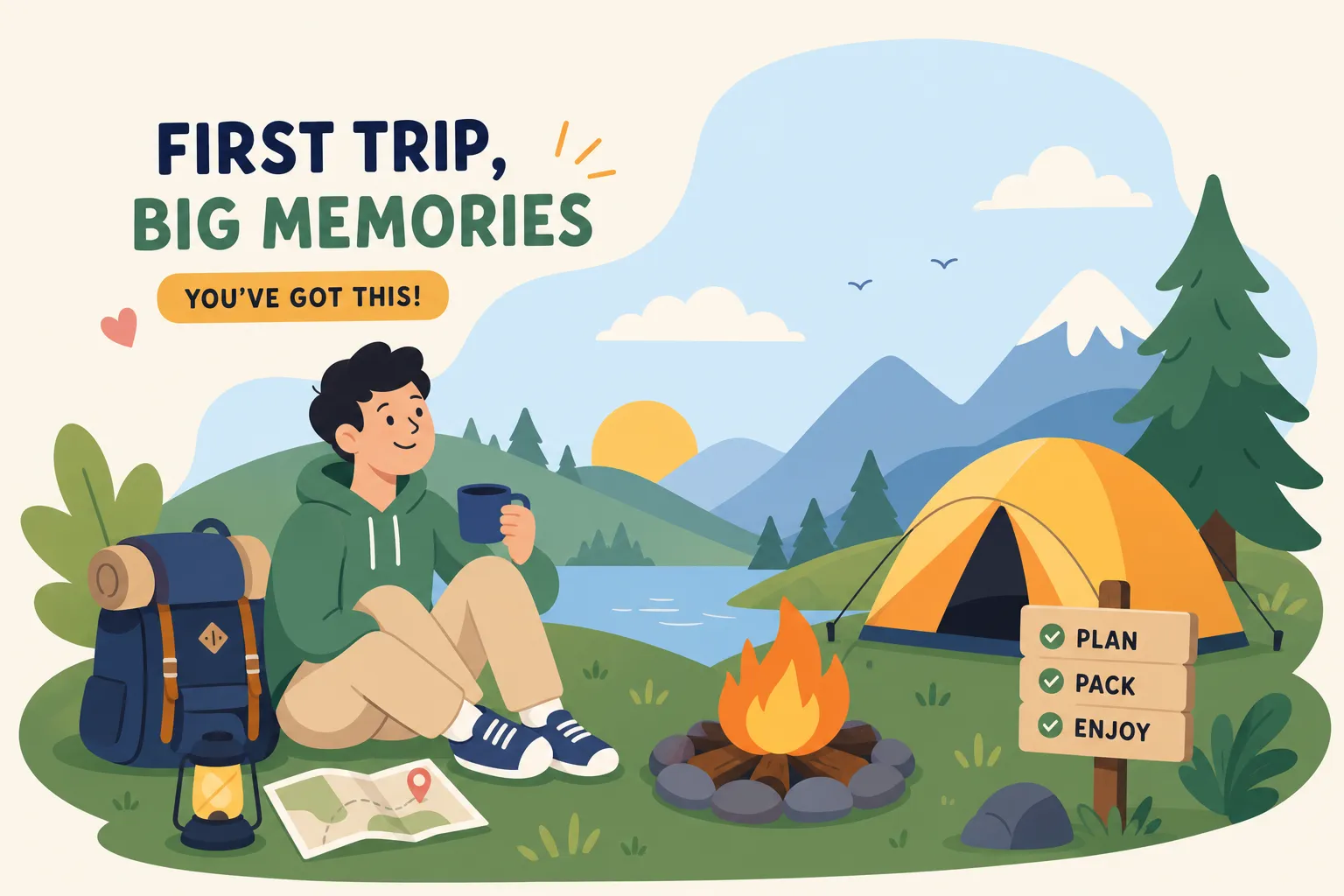
Planning your first camping trip can feel surprisingly overwhelming. The gear lists are long, the options are endless, and somewhere between “do I need a bear canister?” and “what sleeping bag rating is right?” you start wondering if staying in a hotel would just be easier. It won’t be. And honestly, for most people, the planning anxiety turns out to be far worse than the actual trip.
Most first-timers overthink this. The fundamentals of a successful first camping trip come down to five things: picking the right campsite, packing smart, preparing easy food, setting up efficiently, and following a handful of safety habits. None of those are complicated once someone lays them out clearly. The outdoor guides at Qurabox cover all of it, from camping for beginners all the way up to multi-day backcountry adventures, so you have a resource that grows with you.
This guide covers all five areas in plain language so you can go from “thinking about camping” to actually booked and packed without second-guessing every decision.
How to pick the right campsite for your first time out
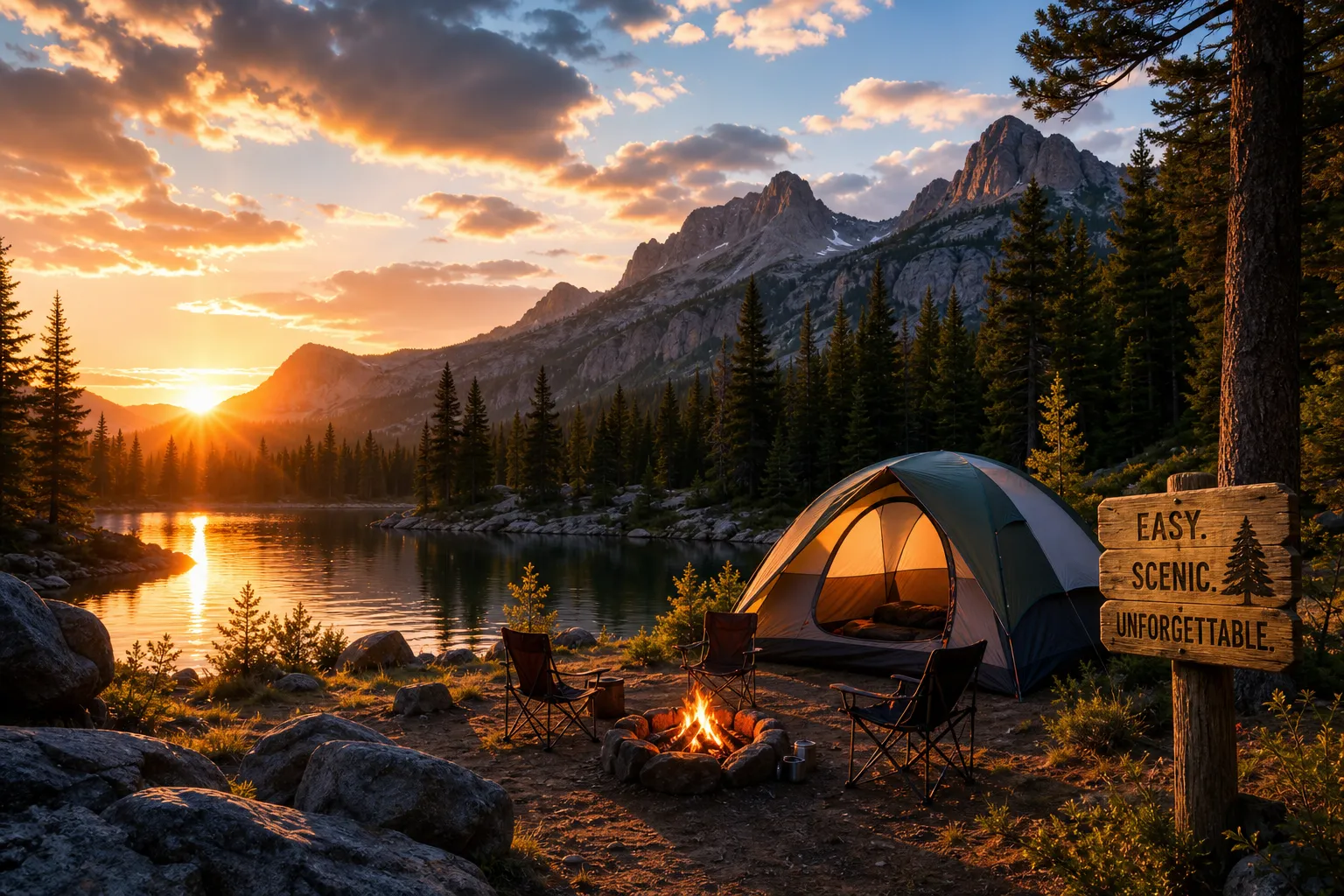
Where you camp is one of the most important decisions you’ll make for a first trip. A well-chosen campsite removes a lot of friction before you even leave your driveway, access to restrooms, running water, and a marked fire ring alone can make the difference between a smooth night and a frustrating one.
Car camping vs. backcountry: why beginners should start simple
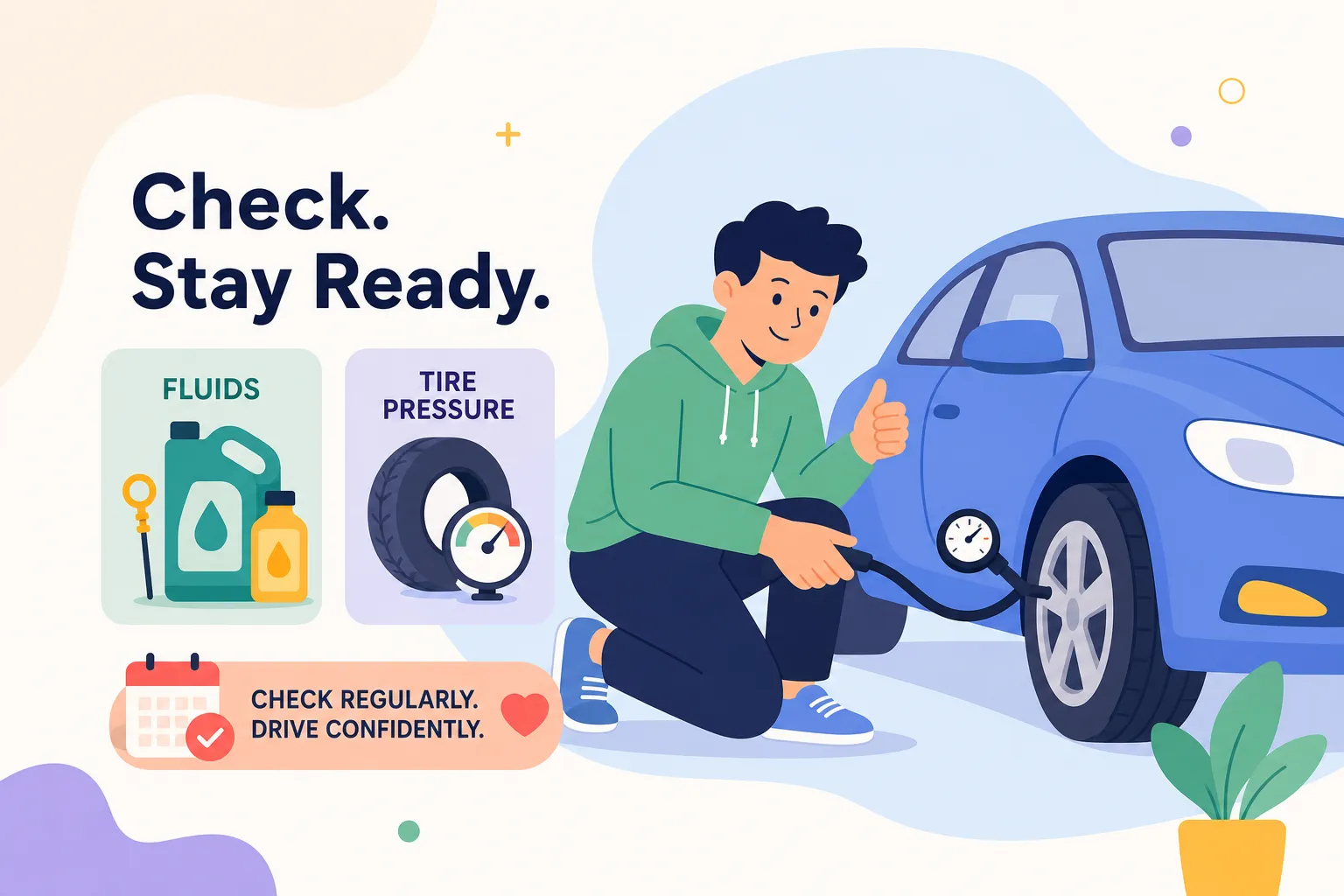
Car camping means you drive to your site, park within a short walk of it, and set up camp with full access to everything in your trunk. Your tent, cooler, camp chairs, and full-size gear all come out of the car. Backcountry camping is a completely different experience. You hike everything in, navigate without road access, and manage your own water and waste without any infrastructure nearby. It requires navigation skills, load management, and self-sufficiency that take time to develop. For nearly all beginners, starting with a developed campground isn’t a compromise, it’s genuinely the right call. If you’re driving to the site, brush up on basic vehicle skills like how to change a flat tire so a simple roadside problem doesn’t derail your trip.
Amenities that make your first trip easier
At a developed campground, prioritize flush toilets or clean vault toilets, potable water spigots on-site, a designated fire ring at your site, and nearby parking. These aren’t luxuries. They eliminate entire categories of problems for a new camper. Developed campgrounds also come with marked site boundaries, posted rules, and often a camp host nearby, all of which make your first setup far more straightforward. Cell coverage is a bonus for logistics and peace of mind, but don’t let it drive your site selection.
Where to find and book a beginner-friendly spot
Three widely used booking platforms are Recreation.gov for federal and national park sites, ReserveAmerica for state parks and private campgrounds, and your individual state park’s own website. Other options worth knowing include KOA and Hipcamp, which cover a wide range of private and independent sites. Search specifically for “developed campgrounds” and read recent reviews. Pay close attention to comments about cleanliness, noise levels, and how close the sites are to restrooms. Book well in advance for popular spots, especially during summer weekends, good developed campgrounds fill up fast, and popular sites at national parks can go months ahead of time.
First Camping Trip Packing Checklist
The gear rabbit hole is real, and it will cost you money and stress if you fall into it. For a first trip, the goal is a functional kit, not a complete one. You can add specialty gear after you know what you actually need. For a concise gear rundown and shopping suggestions, this list of must-have gear items for first-time campers and a printable camping packing checklist can be helpful references when you’re assembling your kit.
Shelter and sleep: the non-negotiables
Your four core sleep items are a tent (with stakes and a working rainfly), a sleeping bag rated at or below the expected overnight low with some buffer for colder-than-forecast nights, a sleeping pad for insulation and comfort off the ground, and a pillow. For summer camping at lower elevations, a bag rated to 30°F or 40°F covers most situations. Set up your tent at home before the trip. A missing pole or a broken zipper discovered in your driveway is a minor inconvenience. Discovered after dark at the campground, it’s a real problem.
Cooking, food, and water setup
For cooking, you need a camp stove with fuel canisters, a lighter or waterproof matches, a pot or pan, utensils, plates or bowls, and a small sponge for cleanup. Most developed campgrounds have potable water on-site, but bring a sensible backup supply, roughly one to two liters per person per day is a standard baseline, and carry a reusable water bottle whenever you leave the site. A cooler handles perishables. For multi-night trips, ice management matters: block ice generally lasts longer than cubed ice, so it’s worth seeking out before you leave home.
Personal comfort and safety items
The items first-timers most often leave behind: a headlamp with spare batteries, a basic first aid kit, insect repellent, sunscreen, a multi-tool or knife, weather-appropriate layers, and a rain jacket regardless of what the forecast says. Add a full set of toiletries including hand sanitizer and biodegradable soap. Most of this fits in a single small bag. Keep this section of your pack simple and don’t skip it.
Beginner camping checklist: quick-reference
Before you zip up and head out, run through this camping essentials list for your first trip:
- Tent with stakes, poles, and rainfly (tested at home)
- Sleeping bag rated for expected temps (with buffer for cold snaps)
- Sleeping pad and pillow
- Camp stove, fuel, lighter or matches
- Cookware, utensils, plates, cleanup sponge
- Water bottles plus backup water supply
- Cooler with block ice for perishables
- Headlamp with spare batteries
- First aid kit
- Insect repellent and sunscreen
- Rain jacket and weather-appropriate layers
- Toiletries, hand sanitizer, biodegradable soap
- Multi-tool or knife
- Trash bags
Easy camp meals that won’t stress you out
Food is where a lot of first-timers either overengineer the whole thing or give up and survive on chips for two days. Neither is necessary. The core principle is simple: do the work at home, assemble at camp. For recipe ideas that are specifically designed for camping simplicity, see this collection of easy camping meals that reheat or assemble quickly.
Prep at home, assemble at camp
Pre-cook your proteins before you leave. Taco meat, breakfast sausage, and grilled chicken, for example, all reheat quickly on a camp stove. Chop vegetables, portion dry ingredients, and label everything. Camp cooking is mostly reheating and assembling, not improvising from scratch over an unfamiliar flame. The more your kitchen does before you leave, the less your campsite has to do after a full day outside.
A simple beginner meal plan for two nights
Here’s a realistic, no-fuss meal plan that requires minimal equipment and almost no campsite prep:
- Dinner night 1: Tacos with pre-cooked seasoned meat, shredded cheese, salsa, and tortillas
- Breakfast day 2: Overnight oats prepared the night before, or scrambled eggs with pre-chopped peppers
- Lunch day 2: Wraps with deli meat, cheese, and pre-sliced vegetables
- Dinner night 2: Foil packet meals with protein and vegetables placed on the grill grate over the fire, or one-pot pasta
- Breakfast day 3: Bagels with peanut butter or cream cheese, no cooking required
Every meal on this list reheats fast, uses minimal dishes, and leaves almost no cleanup. That’s the target for a first trip.
Snacks and food storage basics
Reliable camp snacks, trail mix, granola bars, crackers, dried fruit, jerky, are calorie-dense, need no refrigeration, and are easy to eat on the go. For storage, the rule is non-negotiable: keep all food sealed and stored away from your tent, every single time. In bear country, use a bear canister or the provided metal food locker. Even at campgrounds with no bear activity, proper food storage keeps wildlife out of your site. Never leave food unattended on the picnic table, and don’t offer food to any animal you encounter.
Setting up camp without the frustration
Arriving at your campsite and setting up efficiently before dark makes an enormous difference to how your first trip feels. A chaotic setup leads to a chaotic camp. A tidy, intentional setup means you can actually relax once everything is in place.
Picking your spot within the campsite
Even within an assigned campsite, tent placement matters. Look for flat, clear ground that sits slightly elevated to avoid water pooling if it rains. Check for ant hills, exposed roots, and overhead branches before you commit. Position the tent close enough to the fire ring to be convenient but far enough away that sparks won’t reach the rainfly. Follow any posted campground guidelines on distances; when none are provided, keeping a generous gap between your tent and the fire ring is smart practice.
Pitching your tent and organizing your gear
Set up in order: lay out the footprint or ground cloth, assemble and insert the poles, stake out the corners, clip the tent body to the poles, and attach the rainfly. Always attach the rainfly, even if the sky looks clear. Stake out any guy lines for added stability if there’s any wind.
Once the tent is up, give your campsite three zones: a cooking area near the stove, a gear storage area near the car or folding table, and a clear, unobstructed path to your tent entrance. Think of it as a simple organizational habit rather than a formal system. A tidy camp is both safer and far less stressful to live in for two days.
Safety basics every first-time camper should follow
Camping safety isn’t complicated, but a few habits separate a smooth trip from a preventable problem. These are simple rules, not emergency protocols.
Fire safety and weather awareness
Keep fires small and fully contained to the designated fire ring. Never leave a fire unattended, not even briefly. Before you go to sleep or leave the site, extinguish it completely: drown the fire with water, stir the ashes to expose any hidden heat, then drown it again. Repeat until the ring is cool to the touch. For official guidance on safe campfire practices, review campfire safety recommendations, and for a beginner-friendly step-by-step method to build and extinguish a fire, see How to Build a Campfire Safely: Step-by-Step Guide for Beginners (Very Easy).
For wildlife, the main rule is proper food storage and keeping a safe distance from any animal you encounter. Deer, raccoons, squirrels, and birds at the campsite are common, observe them from a distance and never offer food.
Check the weather forecast before you leave and pack rain layers even if the outlook is sunny. Know the basic signs of an approaching thunderstorm: darkening skies, dropping temperatures, and a sudden uptick in wind. If a storm moves in, get off open terrain, away from tall isolated trees, and into your car or a sturdy structure.
Personal health and hygiene at camp
Wash or sanitize your hands before every meal. Treat minor cuts and scrapes from your first aid kit promptly. Stay hydrated, especially in warm weather, it’s easy to underestimate how much water activity and sun exposure pull from you. If you’re camping in wooded or grassy areas, do a tick check at the end of each day: run your hands over your scalp, behind your knees, and along your waistband.
Before you leave home, give someone a trip plan: the campground name, your campsite number, and your expected return date. This one step takes two minutes and provides genuine peace of mind for everyone involved.
Frequently asked questions for first-time camping trips
How far in advance should I book a campsite?
It depends on the destination. Popular national park campgrounds can fill weeks or even months ahead for summer weekends. For less-visited state parks or private campgrounds, a week or two of lead time is often enough. When in doubt, book early, most platforms allow cancellations with reasonable notice.
How cold is too cold for a first camping trip?
There’s no hard cutoff, but temperatures that regularly drop below freezing add significant gear and preparation requirements. For camping for beginners, nights in the 40°F, 60°F range are a comfortable starting point. A well-matched sleeping bag and sleeping pad matter most; check the expected overnight low before you pack.
Do I need a bear canister for a developed campground?
Most developed campgrounds in bear country provide metal food storage lockers at each site, so a personal bear canister usually isn’t required. Check the specific campground rules when you book, requirements vary by park and region.
You’re more ready than you think
A first camping trip is genuinely achievable, and starting simple is the smartest move available to you, not a lesser version of the experience. The five areas this guide covered (picking the right campsite, packing a focused kit, preparing easy meals, setting up efficiently, and following basic safety habits) cover everything you need for a solid first trip.
As you build confidence and start thinking about longer trips, more remote campgrounds, or eventually backcountry adventures, the outdoor guides at Qurabox cover those next steps too. They also include guides beyond camping, such as How to Start Surfing for Beginners in 2026, so the site can be a useful resource as your outdoor interests grow.
Pick a date. Book a site. Get outside. The rest gets easier from there.