The car payment and insurance are the costs everyone prepares for. The maintenance bills are the ones that blindside you. If you’re looking for money-saving car upkeep tips for first-time car owners, the numbers are worth knowing upfront: basic preventive maintenance on a compact sedan or small SUV can run roughly $300 to $600 per year, depending on your vehicle and how much you drive, and that’s when everything goes right. When a system fails from neglect, a single repair can wipe out months of careful budgeting in one afternoon at the shop.
This guide approaches car maintenance through a dollar-savings lens. Every task covered here comes with a real cost comparison so you know exactly what you’re spending, what you’re saving, and whether it’s worth picking up a wrench. By the time you finish reading, you’ll know which tasks are worth doing yourself, how much each one saves annually, and when it genuinely makes sense to hand the keys to a mechanic instead.
Why skipping basic maintenance always costs more
The financial logic behind staying ahead of repairs
Routine maintenance isn’t a chore. It’s the cheapest insurance a first-time car owner has. A single missed oil change won’t destroy an engine, but a consistent pattern of skipping them causes sludge buildup that shortens engine life and can turn a $75 oil change into a repair bill running hundreds to thousands of dollars. The compounding cost of neglect is the part nobody talks about when they’re selling you a car.
The most common and expensive early-ownership mistakes follow a predictable pattern. Ignoring warning lights is one. Skipping fluid checks is another. Both start as cheap fixes and become costly ones the longer they sit. Acting immediately on new noises or dashboard warnings isn’t overcautious, it’s financially rational.
What “routine” actually means in dollar terms
Doing everything right on a typical vehicle costs roughly $300 to $600 per year in preventive maintenance, what researchers and industry sources describe as the baseline for budget car upkeep on a compact sedan or small SUV. A single brake job from worn pads that went unchecked runs $150 to $300 per axle. The math strongly favors prevention, and it gets even better when you handle some of that baseline work yourself. In many cases, owners can cut costs substantially by learning a handful of simple skills; the specific savings depend on which services you take on and which tools you already own.
Top money-saving car upkeep tips for first-time car owners
Oil changes: the highest-return skill to learn first
A full synthetic oil change at most shops costs $65 to $130. The DIY version, oil and filter only, runs $45 to $70. With two changes per year on a standard schedule, that’s $40 to $120 in annual savings from one task alone. The basic tools you’ll need (an oil drain pan, funnel, filter wrench, and socket set) typically run $25 to $50 as a one-time purchase. If you already own basic tools, the investment can pay off within the first service; otherwise, it may take a couple of changes to recoup tool costs. For current market pricing and what to expect to pay for an oil change, see this guide to oil change costs.
Once you have the tools, your ongoing cost drops to the parts-only range, making oil changes the single highest-return DIY skill on this list. For anyone new to first-time car owner maintenance, this is the place to start. The broader state of do-it-yourself repair and what owners are taking on today is covered in industry summaries if you want context on how DIY trends affect costs and skills.
Wiper blades and engine air filters: the easy wins
Wiper blade replacement at a shop costs $25 to $60 installed. The same blades from an auto parts store run $10 to $30 per blade and snap on in under two minutes with no tools. An engine air filter typically runs $10 to $25 at retail and replaces a $75 to $96 mechanic service, saving you $50 to $80 on a job that takes less time than parallel parking. Both are among the safest, most beginner-friendly DIY car care tasks available.
Battery terminal cleaning: five minutes, up to $300 saved
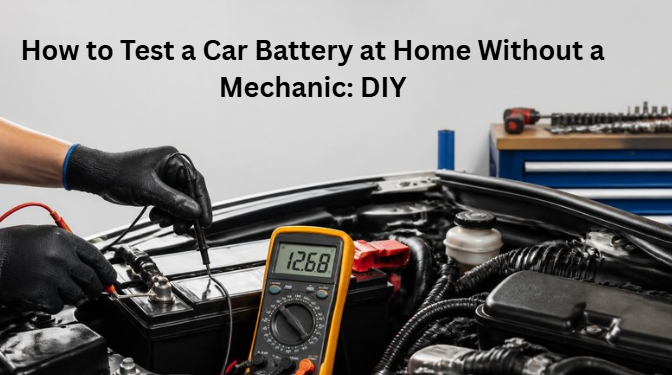
Corroded battery terminals are one of the most common reasons cars fail to start. Battery replacement runs $150 to $300 installed, but corrosion-related failures are often entirely preventable. Cleaning terminals with a baking-soda solution and a wire brush costs under $10 and can help extend battery life, often postponing replacement by a meaningful stretch. Check terminals every six months and look for the white or bluish-green buildup that signals corrosion. Gloves, a brush, and a small wrench are all you need.
Tire habits that quietly protect your fuel budget
The tire pressure check that saves real money every year
Underinflated tires reduce fuel economy by about 0.2% per PSI below the recommended level, per U.S. Department of Energy estimates. For a driver covering 12,000 miles a year in a 25 MPG vehicle with fuel at $4 per gallon, keeping tires at the correct pressure is worth roughly $76 annually in fuel savings. A 5 PSI drop alone can accelerate tire wear by 50%, meaning you’re buying new tires twice as fast. A tire pressure gauge costs $5 to $15 and checking pressure monthly takes under five minutes.
This is the single cheapest maintenance habit with one of the clearest financial returns. Your recommended PSI is on the sticker inside the driver’s door, not on the sidewall of the tire. Check cold pressure at home or at a gas station before a long drive. For more on how tires influence fuel consumption and rolling resistance, see this overview on tire fuel efficiency.
Tire rotation and tread inspection: what to do and when
Regular rotation every 5,000 to 8,000 miles prevents uneven wear that shortens tire life. A new set of four tires varies widely by tire model and region, but prices commonly range from $400 to $800 or more; rotation at a shop runs $20 to $50 but is often free when bundled with an oil change or service package. To check tread depth at home, insert a penny into the tread groove with Lincoln’s head pointing down. If you can see all of Lincoln’s head, the tread is worn past 2/32 of an inch and the tire needs replacing.
Uneven wear patterns across the tread, wearing heavily on one shoulder or in the center, signal an alignment issue worth catching early before it damages other components. Alignment checks run $50 to $100 and can save you an entire set of tires if done before the wear becomes severe. If you’re unfamiliar with tire work or rotations, our Tire Change Guide for Beginners With Zero Experience walks through what to expect and how to do it safely.
A simple car maintenance checklist built for real life
The 6-month routine: what to do at every oil change
Pair these tasks together every 5,000 to 7,500 miles or every six months, whichever comes first:
For a printable, driver-focused reference, see The Ultimate Car Care Checklist for Every Driver.
- Oil and filter change
- Tire rotation
- Fluid top-off (washer fluid, coolant visual check, brake fluid visual)
- Quick brake inspection
Pairing tire rotation with an oil change saves a separate trip and, in many cases, eliminates an extra fee entirely. This combination is the backbone of the entire maintenance plan and handles the majority of what keeps a car running reliably.
The 12-month checklist: the deeper items most new owners miss
Every 12 months or 15,000 miles, add these to your car maintenance checklist:
- Engine air filter
- Cabin air filter (every 15,000 to 30,000 miles)
- Thorough brake pad inspection
- Battery terminal check
Brake fluid should be replaced approximately every two years, and coolant every three to five years depending on the vehicle. For low-mileage drivers, time matters as much as mileage since fluids and rubber components degrade with age regardless of how often the car actually runs.
A simple calendar reminder system works better than trying to track odometer readings alone. Set a recurring reminder every six months and pull out the owner’s manual to confirm your specific vehicle’s intervals. The manual is the single most underused resource a first-time car owner has. For a primer on car-care basics that complements the owner’s manual, see this car-care basics guide for first-time owners.
When to pay a mechanic and how to avoid being overcharged
The repairs worth leaving to a professional
Some jobs belong in a shop, and there’s no shame in that. Brake pad replacement, battery installation on newer vehicles with smart charging systems, transmission fluid service, and any undercar repair requiring jack stands all fall outside safe beginner territory. The risk isn’t just doing the job wrong; it’s doing it wrong in a way that creates a safety hazard on the highway. For brake work specifically, the cost of a mistake is measured in accidents, not just repair bills.
Brake pad replacement runs $150 to $300 per axle, transmission fluid service runs $100 to $250 depending on the vehicle, and battery installation on modern cars can require a memory saver tool to preserve computer settings. These costs are worth paying because the alternative is either a safety risk or a more expensive repair if the first attempt fails.
How to find a trustworthy shop and get a fair price
Before authorizing any repair work, cover these three bases. First, get a written itemized estimate that separates parts and labor. Second, confirm whether the diagnostic fee applies toward the final repair cost. Third, ask what warranty the shop provides on parts and labor. ASE-certified independent shops tend to offer more competitive pricing than dealerships for routine work, and getting at least two written quotes for the same repair protects against overcharging.
Mobile mechanics with upfront pricing platforms are a cost-effective alternative for straightforward jobs like oil changes, filter replacements, and battery swaps. They come to your home or office, which removes the inconvenience factor that leads people to approve extra work while they wait. Never approve add-on work on the spot without a new written quote and a clear explanation of why it’s necessary. If you’re interested in broader trends around DIY repair and what owners are doing themselves, this summary of the state of DIY repair is a helpful read.
What this all adds up to at the end of the year
Quick savings summary
| Task | DIY Cost | Shop Cost | Estimated Annual Savings |
|---|---|---|---|
| Oil changes (2x/year) | $45, $70 each | $65, $130 each | $40, $120 |
| Wiper blades | $10, $30 each | $25, $60 installed | $15, $60 |
| Engine air filter | $10, $25 | $75, $96 | $50, $80 |
| Battery terminal cleaning | Under $10 | Up to $300 (replacement) | Varies |
| Tire pressure checks | $5, $15 (gauge) | N/A | ~$76 in fuel |
A first-time owner who handles oil changes, wiper blades, engine air filters, battery terminal cleaning, and tire pressure checks themselves can realistically save several hundred dollars per year compared to paying a shop for every service. Combine that with a consistent 6-month schedule and a vetted independent shop for the bigger jobs, and your routine car maintenance costs drop significantly without compromising reliability or safety.
Car upkeep is one chapter in the larger story of cost-conscious independent living. Building a household budget, setting up a weekly routine, and tracking where your money goes across all areas of daily life are what keep financial stress from building up. Qurabox’s home budgeting guides and lifestyle how-tos cover the rest of that picture; for a related household resource see our Beginner House Cleaning Checklist: Room-by-Room Guide.
Check your tire pressure this week, it’s the one money-saving car upkeep tip for first-time car owners that costs nothing and pays off immediately. Grab a $10 gauge, find the sticker inside your driver’s door, and spend five minutes in the driveway. Done monthly, that single habit can save an estimated $60 to $100 per year in fuel and reduced wear, depending on your driving conditions.
Frequently asked questions
How much can a first-time owner save by doing oil changes at home?
Doing your own oil changes typically saves $20 to $60 per service compared to shop prices. With two oil changes per year, that adds up to $40 to $120 annually, not counting the tool cost, which pays for itself within the first couple of services if you don’t already own the basics.
What is the most important money-saving car upkeep tip for first-time car owners?
Staying on schedule matters more than any single task. A consistent 6-month routine covering oil, tires, and fluid checks prevents the expensive breakdowns that wipe out savings in a single shop visit.
Is DIY car maintenance safe for complete beginners?
Several tasks are genuinely beginner-safe: tire pressure checks, wiper blade swaps, engine and cabin air filter replacements, and battery terminal cleaning. Brake work, suspension repairs, and anything requiring a vehicle lift should go to a certified shop.
How do routine car maintenance costs vary by vehicle type?
Compact sedans and small SUVs typically run at the lower end of the $300 to $600 annual range for preventive maintenance. Larger trucks, luxury vehicles, and older cars with higher mileage tend to push costs higher due to more expensive parts and more frequent service needs.
What’s the best way to find an affordable mechanic?
Look for ASE-certified independent shops in your area, get at least two written quotes before approving any repair, and ask whether the diagnostic fee is credited toward the repair. Mobile mechanics are worth considering for straightforward jobs, they often undercut shop rates on inexpensive auto maintenance tasks.