Confidence is not a trait that some are born with. It is an ability anyone can develop, regardless of past experiences or personality type. Whether you struggle with public speaking, social anxiety, or career advancement, or you feel some general self-doubt from time to time, the following article provides proven ways to build your self-confidence. The approaches we will cover include actionable strategies, a psychological perspective, and scientific knowledge and professional experience.

What Is Confidence?
Confidence is trusting in your skills and judgement. It’s an internal state that gives you a sense of safety and confidence in your decisions, actions, choices, and sense of self-worth. But confidence is not an either-or characteristic. Certain areas of life feel more natural to you than others, and developing the other parts may take extra work. It takes self-awareness, consistency, and dedication to change to build confidence.
Why is Confidence Important?
Confidence is one way to pay you on a silver platter; whatever the situation, it sometimes leads the way to success. Confidence not only enables you to confront adversity — it can impact how you carry yourself, others’ impressions of you, and your approach to opportunity. Here’s why confidence matters:

Professional Development: Confident people are more open to taking leadership roles, making decisive decisions, and pursuing career opportunities.
Mental Health: Confidence reduces stress, anxiety, and depression, leading to a healthier, happier lifestyle.
Social Success: Confident individuals often build better, healthier relationships, so they are no longer afraid to socialize.
Enhanced Performance: If you feel good about what you know you can do, you’re more inclined to experiment, put in the effort, and achieve results.
But how do you build this great skill? Now, let us get into the strategies you can use to build confidence and defeat self-doubt.
Proven Strategies to Build Self-Confidence
Identifying and Challenging Negative Thoughts
Negative self-talk is one of many things that undermine confidence. This is the inner critic that’s telling you, “You’re not good enough,” “You’ll never make it,” or “Others are better than you.” The above thoughts create self-doubt and don’t encourage you to reach your potential.

How to Challenge Negative Thoughts:
- Awareness: Notice the negative language you use. Are you saying things like “I can’t do this” or “This is impossible”? Awareness of these thoughts is the first step in overcoming them.
- Rebalance Negative Thinking: When you notice negative thoughts arising, counteract the negativity bias with positive thoughts. Replace “I can’t do this” with “I’m going to try my best” or “I can learn how to do it.”
- Be an evidence-based thinker: Tell yourself about previous success. Consider the times you did well or succeeded in a tough situation. You have proof-based experience that will help you believe in your skills.
Real-Life Example:
Sarah always had a difficult time with public speaking. Before presentations, she’d think, “I’m going to mess up” or “People will judge me.” But when she pushed back against those negative thoughts, she countered with, “I have successfully presented before, and I am ready.” She gained confidence and was able to give presentations without issue.

Set Small and Achievable Goals
One of the most powerful tools for building confidence is goal-setting. Doing something and achieving it, no matter how little, brings a sense of achievement that enhances your self-confidence.
Steps to Set Achievable Goals:
- Take Baby Steps: If you’re not quite sure of your skills, start by setting small goals. These objectives should be tangible and quantifiable. So, rather than making the idea of “becoming confident” a new goal of yours, identify small steps that will help you get there instead — start with something like “speak up in one meeting.”
- The Important: Progress, not perfection. From small victories to minor defeats, recognise that each step counts.
- Tracking Your Progress: Keep a journal or download an app to track your progress. Over the long run, you will have a record of your successes, which can be a motivating reminder of what you are made of.
Real-Life Example:
John dreaded raising his voice in meetings at work, convinced his ideas wouldn’t go down well. He aimed to share at least one thought per meeting. While it took a few weeks to feel comfortable, he soon found himself actively contributing in meetings, which led to a promotion.
Failure to Learn is an Opportunity to Succeed
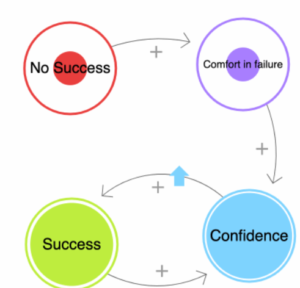
One of the most psychological aspects that often keeps people from feeling confident is the fear of failure. But failing is not the end — it teaches you something. All successful people have experience falling down and failing.
How to Reframe Failure:
- Be Practical About The Learning: When you fall short, the first question should be: What can I learn from this? See it as an opportunity to grow, not a reason to quit.
- Assess What You Can Do Differently Next Time: When something doesn’t work, think about how you would do it if given another chance. What would you change the next time around? What did you learn about yourself while doing it?
- Use Failure to Build Resilience: Resilience is the capacity to recover from adversity. Every time you mess up and recover, you’re building your confidence.
Real-Life Example:
Ava, determined to start a business, pitched multiple times but was rejected each time. She took each rejection as a learning lesson, reflecting on what went wrong and applying that knowledge to her next attempt. In time, her business grew, and her confidence followed.
Develop a Growth Mindset
A growth mindset is the idea that you can grow and develop through hard work, practice, and determination. This change of thinking will interrupt this lack of confidence.

Cultivating a Growth Mindset:
- Face Challenges: Don’t shy away from difficult tasks; see them as opportunities to learn and improve.
- Keep Going: Think of the journey, not just the destination. THE TAKEAWAY: LEARNING IS MORE IMPORTANT THAN IMMEDIATE OUTCOME
- Celebrate Effort, Not Just the Result: Celebrate your efforts and reward yourself. Setting the intention to try something at all — even if you don’t get your desired result — indicates growth in itself.
Real-Life Example:
Tom shied away from difficult projects at work because he feared failure. But eventually, he thought to himself, “I’ll do a hard thing, and I’ll learn from doing a hard thing.” The shift gave him a new toolbox of skills and greater confidence.
Grill the Season’s Best and Celebrate at Home
Your overall well-being is closely related to your physical health. When you don’t feel well, it’s difficult to feel confident.

How to Look After Yourself:
- Get A Good Workout: Regular exercise helps lift mood and reduce anxiety levels by releasing endorphins. Regular exercise improves your body image and boosts self-esteem.
- Eat: Nutrition affects your mental clarity and emotional balance. A balanced diet is essential for your body to function well and maintain your mental health.
- Ensure Sleep: Poor sleep can increase irritability and fatigue, which can reduce your mood and confidence. Get 7-9 hours of sleep per night.
Real-Life Example:
Michelle, who had worked long hours and let her health slide, started exercising regularly and eating more balanced meals. She felt more energetic, in a better mood, and more self-confident. Also, when she started taking care of her body, her mental health became better, and challenges at work seemed less daunting.
Action Will Take Out Self-Doubt
Self-doubt is perfectly normal, but if it’s limiting your potential, dealing with it is essential.

Focus on Your Strengths:
- Develop a Strengths Inventory: Write what you do well, your accomplishments, and skills. Go back to this list anytime you’re feeling unsure.
- Ask For It: Sometimes we can’t see our strengths. Seeking input from trusted friends, family, or colleagues can offer an outside perspective and reaffirm your value.
Practice Visualization
Visualization is the practice of mentally rehearsing a successful outcome before actually achieving it. Its use is widespread among athletes, high performers, and those looking to diffuse the jitters and get into flow.
Visualization Steps:
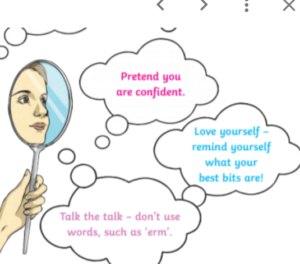
- Visualize your success: See yourself succeeding in a high-stakes environment, such as a job interview or a public speaking opportunity. Notice how empowered and competent you become in that moment.
- Add Emotion: Visualization is most effective when paired with emotion. This is a publication about people who can feel the energy, pride, and joy of accomplishment.
Build a Support Network
Everyone fails sometimes, and no one is confident all the time. Friends, mentors, and peers make up a network of support that helps you through tough situations and encourages your growth.
- Find Mentors: Look for individuals you admire who will guide and push you to better yourself. The thing is, their insights will expand your own.
- Create a Positive Environment: Surround yourself with people who lift you up, and avoid those who drain your energy or self-esteem.
Key Takeaways
Confidence is a skill; it is not a personality trait. With tried-and-tested techniques, you can build the foundations of self-esteem and bolster it over time.
- Dispute negative beliefs and replace them with positive affirmations.
- Set little-milestone goals, accomplish them, and track your progress.
- Failure is a great teacher, and it’s important to be able to rebound.
- Embrace a growth mindset and celebrate effort and progress.
- Keep your confidence high by taking care of both your physical and mental health.
- Use visualization to enhance performance and lessen anxiety.
- Construct a support network to cheer you on through difficult times.
FAQ: Common Questions About Confidence
What can I do to overcome shyness and be more confident when meeting people?
Challenge yourself to have small, social interactions often. Begin by speaking up in small groups, then build to larger work. Just focus on being kind and supportive to yourself.
What happens if I get a setback?
Rather than ruminating on the failure, think about what you learned from the experience and how to do it differently next time. Strengthening resilience is the solution to overcoming adversities.
Can I cultivate confidence or low self-esteem, though?
Yes! Confidence is a learned behavior; it can be developed through regular practice, reframing your thinking, and taking initiative to improve.
What should I do to fight self-doubt when it comes in the way of my work profile?
Focus on your strengths, be open to constructive feedback, and use visualization to lower anxiety and improve confidence. Revisiting past achievements as assurance of your capabilities.