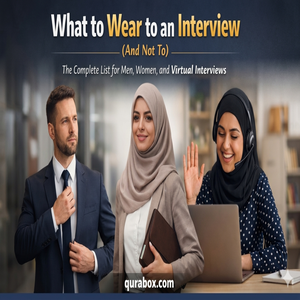
Deciding what to wear to an interview is not really about fashion. It is about judgment. The right outfit tells a potential employer that you understand professional standards, respect the opportunity, and know how to present yourself with confidence.
The good news is that interview dressing does not need to be complicated. You do not need expensive designer labels. You need clothes that fit well, look intentional, and match both the role and the company culture.
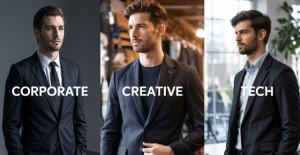
Why Proper Interview Attire Matters
There are three main reasons interview attire matters.
First, it reduces doubt. When your outfit looks polished and appropriate, the interviewer does not have to wonder whether you understand the workplace environment.
Second, it boosts confidence. Most career experts recommend wearing something that makes you feel comfortable, professional, and slightly more polished than everyday office wear.
Third, it signals professionalism. Your appearance is part of your overall self-presentation, and it can reinforce the impression that you are prepared, serious, and respectful.
The simplest rule is this: your clothing should support your qualifications, not distract from them.
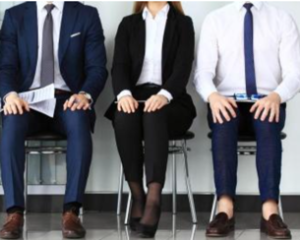
How to Choose the Right Interview Outfit
Before picking your blazer, shirt, shoes, or accessories, make three decisions.
Start with company culture
A bank, a law firm, a government office, and a tech startup will not interpret the same outfit in the same way. That is why you should always research the organization before the interview. If you are unsure, it is usually safer to dress slightly more formally than the company’s normal dress code.
Match the role, not just the industry
A software engineer at a startup may interview in smart casual. A finance analyst, consultant, compliance officer, or lawyer is usually better off in business formal. Even within the same company, client-facing or leadership-track roles often call for a sharper appearance than back-office or highly creative roles.
Prioritize fit, grooming, and comfort
Clean beats trendy. Tailored beats expensive. Wrinkle-free beats flashy. Clothes should fit properly, shoes should be clean, and everything should feel comfortable enough that you can sit, walk, and speak naturally. If something pinches, slips, rides up, or makes you fidget, it is not the right interview outfit.
Interview Outfit Decision Tree
Use this simple checklist before interview day.
Step 1: Is the company formal?
- Yes = choose business formal
- Not sure = choose business formal or polished business casual
- Clearly casual, startup, or creative = choose business casual or smart casual
Step 2: Is the role finance, legal, consulting, government, or executive-track?
- Yes = lean more formal
- No = match the company culture, but stay polished
Step 3: Check your outfit against this 6-point test
- Clean
- Well-fitted
- Neutral or muted colors
- Comfortable to walk and sit in
- No distracting prints or logos
- Shoes and grooming finished
If the answer to any of these is no, make changes before the interview.

Business Formal Interview Attire
For traditional corporate interviews, business formal remains the safest default. It is especially suitable for industries that value structure, professionalism, and conservative presentation.
Business Formal for Women
A strong business formal outfit for women may include:
- A tailored blazer with matching trousers or a knee-length skirt
- A light or neutral-colored blouse, shell top, or button-down shirt
- Closed-toe flats, pumps, or loafers
- Minimal jewelry
- A structured handbag or portfolio if needed
Best colors: navy, charcoal, black, soft beige, white, and light blue
Avoid: very short hemlines, low-cut tops, overly tight fits, flashy accessories, strong perfume, and shoes that are difficult to walk in
Business Formal for Men
A reliable business formal outfit for men usually includes:
- A navy, charcoal, or black two-piece suit
- A light-colored dress shirt, such as white or pale blue
- A conservative tie
- Polished dark leather dress shoes or loafers
- A matching belt and socks
- A simple watch
Best colors: navy and charcoal are the safest choices, while black works well in very formal settings
Avoid: novelty ties, loud prints, scuffed shoes, oversized suits, messy shirt collars, or flashy cufflinks
When Business Formal Is the Right Choice
Choose business formal if you are interviewing in:
- Finance
- Banking
- Law
- Consulting
- Government
- Compliance
- Senior leadership-track roles
- Conservative healthcare administration positions
If you are in doubt, business formal is usually the safest option in traditional industries.
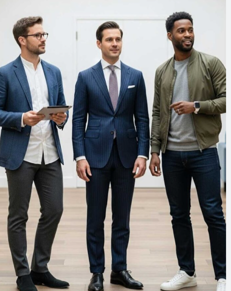
Business Casual Interview Attire
Business casual is often the best choice for modern workplaces. It looks professional without being overly rigid and is suitable for many industries where the office environment is polished but not highly formal.
Business Casual for Women
A polished business casual look may include:
- A blazer, cardigan, or structured layer
- A blouse, knit top, or button-up shirt
- Slacks, tailored ankle pants, or a work-appropriate skirt
- Flats, loafers, ankle boots, or low heels
- Minimal jewelry
Best colors: navy, cream, olive, taupe, dusty blue, and muted pastels
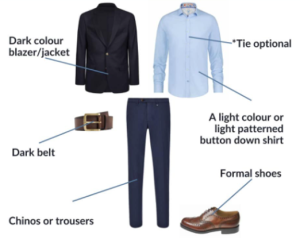
Business Casual for Men
A dependable business casual formula includes:
- A collared button-down shirt or polo
- Chinos or dress trousers
- An optional blazer or sport coat
- Leather shoes or clean loafers
- A belt and watch
This style works especially well for tech-adjacent roles, nonprofits, operations, HR, media, and many mid-sized companies.
Pros and Cons of Business Casual
Pros
- More comfortable than a full suit
- Better aligned with many modern office environments
- Less intimidating in collaborative or startup settings
Cons
- Easier to get wrong
- Can become too casual very quickly
- Requires more attention to fit, grooming, and coordination
Business casual is not the same as casual. It still needs structure and polish.
Smart Casual or Startup Interview Attire
For startups, some creative agencies, and certain product or design roles, smart casual may be acceptable. The key is to look polished, not sloppy.
Smart Casual for Women
Examples include:
- A clean blouse or knit top with dark tailored jeans or trousers
- A blazer over a simple dress
- Minimal sneakers, flats, or loafers if the company culture allows it
- One or two tasteful accessories
Smart Casual for Men
Examples include:
- A button-down shirt or polo with dark jeans or chinos
- A lightweight jacket, overshirt, or blazer
- Clean leather sneakers or loafers if the setting is clearly casual
- A simple watch and belt
The key word here is clean. Dark denim may work. Distressed denim does not. Minimalist sneakers may work. Running shoes do not. A little personality may work. A loud fashion statement usually does not.

What to Wear to a Virtual Interview
Virtual interviews changed the setting, but not the importance of presentation. You should still dress as though you are attending an in-person interview.
Virtual Interview Outfit for Women
- A blouse or button-down with a blazer or polished cardigan
- Solid or low-contrast colors that look good on camera
- Simple jewelry that does not create glare or noise
- Hair styled neatly and, if possible, away from the face
Virtual Interview Outfit for Men
- A collared shirt or knit polo
- A blazer for more formal roles
- Groomed hair and facial hair
- A full professional outfit, including trousers and shoes
Your Virtual Setup Matters Too
Your environment is part of your presentation. For a better virtual interview setup:
- Place the camera at eye level
- Use good front lighting
- Sit in a quiet room
- Choose a clean, non-distracting background
- Make sure your internet connection is strong
- Remove clutter from behind you
Even online, the interviewer is judging your professionalism through both your outfit and your setting.

What Not to Wear to an Interview
This is where many candidates make avoidable mistakes.
Anything too casual
Avoid ripped jeans, sweatpants, hoodies, gym clothes, sandals, and graphic T-shirts. Even casual companies expect interview candidates to look intentional.
Loud prints, neon colors, or flashy pieces
You want the interviewer to remember your answers, not your jacket pattern or oversized accessories.
Ill-fitting clothing
If it is too tight, it looks uncomfortable. If it is too loose, it looks careless. Fit matters more than brand.
Uncomfortable shoes
If you cannot walk, sit, or stand confidently in them, do not wear them.
Strong fragrance
A heavy perfume or cologne can become distracting in a small room. Keep fragrance minimal.
Wrinkled, stained, or worn-out items
Scuffed shoes, lint-covered jackets, missing buttons, and visible creases make a poor impression.
Interview Dress Code by Industry
| Industry / Role | Safest Dress Code | Women’s Example | Men’s Example | Risky Choice |
|---|---|---|---|---|
| Finance, Banking, Consulting | Business formal | Matching suit, blouse, closed-toe shoes | Dark suit, light shirt, tie, dress shoes | Sneakers, loud prints, no jacket |
| Law, Government, Compliance | Business formal | Tailored suit or structured dress with jacket | Dark suit, conservative tie | Smart casual unless specifically invited |
| Tech, Product, IT Startups | Business casual to smart casual | Blazer with trousers or dark jeans if culture is casual | Button-down with chinos or dark jeans | Hoodie or distressed denim |
| Marketing, Media, Nonprofits | Business casual | Blouse, slacks, flats or loafers | Shirt, chinos, optional blazer | Overly formal suit in a relaxed company |
| Creative, Design, Arts | Business casual to smart casual | Polished separates with tasteful personal style | Smart casual with structure | Messy or costume-like outfit |
| Healthcare Admin / Corporate Healthcare | Business formal or polished business casual | Neutral suit or tailored separates | Suit or dress trousers with blazer | Casual shoes or very bright clothing |
Best Colors to Wear to an Interview
If you want the safest option, go with neutral or muted tones. Navy, charcoal, black, white, beige, taupe, and soft blue are reliable choices because they keep attention on your face and words.
That does not mean color is forbidden. A muted burgundy tie, a dusty blue blouse, or a forest green layer can work very well. The rule is simple: color should support your overall appearance, not dominate it.
The One Rule That Works Almost Every Time
If you remember only one thing, let it be this:
Dress one level more polished than the company’s everyday dress code, while still matching the role you want.
That single rule solves most interview outfit questions better than memorizing endless style advice.
FAQs
What should I wear to a tech company interview?
Business casual or smart casual usually works best. A collared shirt with chinos or dark, clean denim is often appropriate if the company culture is clearly relaxed. A blazer is optional but can make the outfit look sharper.
Can I wear sneakers to an interview?
Only in clearly casual environments, and only if they are clean, simple, and non-athletic in appearance. In formal industries, choose dress shoes or loafers.
Should I wear a tie for a virtual interview?
For finance, consulting, law, and other formal roles, yes, or at least strongly consider it. For casual industries, a tie may be optional.
What colors are best for interview outfits?
Neutral shades such as navy, charcoal, black, white, beige, and light blue are the safest and most professional choices.
Is business casual okay for an interview?
In many industries, yes. But not in all of them. Finance, law, and government often still expect business formal. If you are unsure, dress more formally.
What should I avoid wearing to a virtual interview?
Avoid pajamas, distracting prints, messy backgrounds, poor lighting, and the mistake of dressing professionally only from the waist up.
Do I need expensive clothes to look professional?
No. Fit, cleanliness, coordination, and grooming matter far more than brand names. A simple, well-fitted outfit always looks better than an expensive but careless one.
Conclusion: Dress for the Job You Want
The right interview outfit is not the trendiest one. It is the one that makes your professionalism clear.
For formal industries, business formal is the safest choice. In many modern workplaces, business casual is enough. Smart casual can work for startups and creative teams, but only when it still looks polished. And for virtual interviews, your background, lighting, and camera angle matter almost as much as the clothes you wear.
Your outfit has one job: remove doubt and let your skills speak for themselves.
Key Takeaways
- First impressions happen quickly, and clothing can influence how professional and credible you seem.
- Dress one level more polished than the company’s normal dress code.
- Business formal is best for finance, law, consulting, government, and other conservative industries.
- Business casual works for many modern workplaces, but it still needs structure and polish.
- In virtual interviews, your attire, background, lighting, and camera setup all shape perception.
- Avoid outfits that are too casual, too flashy, ill-fitting, wrinkled, or uncomfortable.