How to Ask for a Raise (Proven Scripts): What to Say, When to Ask & Get a YES Fast

Requesting a raise can be uncomfortable—even intimidating. But the reality is: no one will value you the way you do.
Research shows that workers who negotiate their salaries can earn significantly more over the long run than those who don’t. Yet many professionals hesitate or avoid the conversation entirely.
This guide walks you through exactly when to ask, what to say, how to prepare, and scripts you can use—so you can approach the conversation with clarity and confidence.

The Case for Asking for a Raise
Raises are not automatic. In reality, they often don’t happen unless you ask.
Top Reasons to Ask for a Raise:
- Your responsibilities have increased
- Your performance exceeds expectations
- Market salaries have risen
- Inflation has reduced your purchasing power
Real Insight:
Employees who don’t negotiate can earn 10–20% less over their careers compared to those who do.
How to Determine If You’re Ready for a Raise
Before asking, make sure you’re in a strong position.
You’re Likely Ready If:
- You consistently exceed performance targets
- You’ve taken on additional responsibilities
- You’ve delivered measurable results (revenue, efficiency, growth)
- You haven’t received a raise in 12+ months
- Your salary is below market rate

When to Request a Raise (Timing Is Everything)
Timing plays a critical role in your success.
Best Times to Ask:
- After completing a major project successfully
- During performance reviews
- When the company is doing well
- After receiving positive feedback
- Before a new budget cycle
Worst Times to Ask:
- During layoffs or financial struggles
- After a company failure or loss
- When your performance has been inconsistent
- When your manager is stressed or overwhelmed
Pro Tip:
Schedule a formal meeting instead of bringing it up casually. This shows professionalism and intent.

How to Prepare Before You Ask
Preparation is key to success.
Step-by-Step Preparation:
Track Your Achievements
Create a list of:
- Projects completed
- Revenue generated
- Costs saved
- Problems solved
Quantify Your Value
Use numbers whenever possible:
- “Increased sales by 25%”
- “Saved $15,000 annually”
Gather Proof
- Performance reviews
- Emails praising your work
- Metrics dashboards

Research Your Market Value
Understanding your market value strengthens your case.
How to Research:
- Salary comparison websites
- Industry reports
- Job listings for similar roles
Example:
| Job Role | Average Salary | Your Salary |
|---|---|---|
| Marketing Manager | $75,000 | $65,000 |
| Software Developer | $95,000 | $85,000 |
If you’re below market rate, you have strong leverage.

How Much Should You Ask For?
This is where many people hesitate.
General Guidelines:
- Standard raise: 3–5%
- Strong performance: 5–10%
- Promotion-level impact: 10–20%
Strategy Tip:
Start slightly higher than your target to leave room for negotiation.
What to Say When Asking for a Raise
Clarity and confidence matter more than perfection.
Core Formula:
- Express appreciation
- Present your achievements
- Make your request
Example:
“I enjoy working here and being part of the team. Over the past year, I’ve taken on additional responsibilities and achieved strong results, including increasing client retention by 20%. Based on my contributions and market research, I’d like to discuss a salary adjustment.”
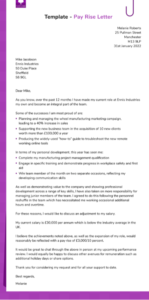
Scripts to Ask for a Raise
In-Person Script
“Thank you for taking the time to meet with me. I’d like to discuss my role and current compensation. Over the past year, I’ve achieved [specific results] and taken on additional responsibilities. Based on this, I’d like to explore a salary adjustment.”
Email Script
Subject: Compensation Discussion Request
Hi [Manager Name],
I’d like to schedule a time to discuss my role and compensation. Over the past [time period], I’ve contributed to [key achievements], and I’d like to review how my salary aligns with my performance and market benchmarks.
Please let me know a convenient time.
Thank you,
[Your Name]
Follow-Up Script
“Thank you for taking the time to consider my request. I’d be happy to revisit this discussion in the future and continue contributing at a high level.”

How to Start the Conversation With Your Boss
Starting is often the hardest part.
Best Opening Lines:
- “I’d like to discuss my performance and growth within the company.”
- “Can we schedule time to review my contributions and compensation?”
Avoid:
- “I need more money”
- “Others are paid more than me”
How to Justify a Raise (With Examples)
Your argument should be based on value—not emotion.
Strong Justifications:
- Increased revenue
- Improved efficiency
- Leadership contributions
- Expanded responsibilities
Example:
“I led a project that improved client retention by 30%, directly contributing to recurring revenue growth.”
What Not to Say When Asking for a Raise
Avoid these common mistakes:
❌ “I’ve been here a long time”
❌ “I need more money for personal reasons”
❌ “My coworker earns more than me”
❌ “I’ll quit if I don’t get a raise”
These weaken your position and shift focus away from your value.

What to Do If You Hear “No”
Not all requests are approved immediately.
Common Responses & How to Handle Them:
“We don’t have the budget right now”
→ Ask: “When would be a good time to revisit this?”
“We need to see more performance”
→ Ask: “What specific goals should I achieve?”
“Not at this time”
→ Respond: “Can we set a timeline to revisit this discussion?”
What to Do If You Can’t Get a Raise
If a salary increase isn’t possible, negotiate other benefits.
Options:
- Performance bonuses
- Flexible working hours
- Remote work opportunities
- Extra vacation days
- Professional development funding
Final Tips for Success
- Be confident, not aggressive
- Practice your script
- Keep emotions out of the conversation
- Focus on value, not need
- Be prepared to negotiate
📊 Raise Success Formula
Preparation + Timing + Value Proof + Clear Communication = Higher Chances of Success
Key Takeaways
- Preparation matters more than confidence
- Timing significantly impacts outcomes
- Use data and results—not emotion
- Always have a clear number in mind
- Rejection is part of the negotiation process
FAQs
How often should I ask for a raise?
Typically every 12 months, unless your role changes significantly.
Should I ask in person or by email?
Use email to schedule a meeting, then discuss in person or via video.
What if my boss says no?
Ask for feedback, set goals, and agree on a future timeline.
Should I mention other job offers?
Only if you are serious about leaving.
How do I stay calm during the conversation?
Prepare thoroughly, practice your script, and focus on facts.
Can remote employees ask for raises?
Yes, using the same process via video meetings.
What’s the biggest mistake people make?
Lack of preparation and relying on emotion instead of data.
Conclusion
Asking for a raise isn’t just about money—it’s about recognizing your value and advocating for your career growth.
When done correctly, it strengthens your professional image and opens new opportunities.
Prepare well, choose the right timing, communicate clearly, and remember:
you’re not asking for a favor—you’re presenting your value.