
How to Attract Birds to Your Garden: Expert Tips, Native Plants & Easy DIY Ideas


If you have ever looked out your window at a garden full of birdsong, fluttering wings, and colorful visitors at the feeder, you already know the kind of magic birds bring to an outdoor space. A vibrant bird-friendly garden is more than just a pretty sight. It also provides a healthier, more natural habitat that supports local wildlife.
The good news is that you do not need a huge yard or an expensive landscape redesign to make it happen. Even a small backyard, balcony, patio, or courtyard can become a place where birds stop to feed, rest, and return regularly throughout the year. With the right mix of plants, water, cover, and safe feeding stations, your outdoor space can become one of the most active and rewarding parts of your home.

Why Some Birds Visit Certain Gardens and Ignore Others
Birds are selective. They do not choose a garden simply because it looks attractive to people. They choose spaces that help them survive.
A bird-friendly garden usually provides these five essentials:
- Food
- Water
- Shelter
- Nesting space
- Safety
If one or more of these elements is missing, birds may visit briefly but usually will not stay long. For example, a feeder without nearby cover can make birds feel exposed. A flower bed may still be ignored during hot weather if there is no water. And if a birdbath is placed too close to danger zones, birds may avoid it.
The most successful bird gardens feel natural, layered, and inviting. They typically include shrubs, flowers, trees, a feeder or two, clean water, and safe places to hide. In other words, the goal is not just to decorate a yard. The goal is to create a small habitat.

Start With Native Plants
Why Native Plants Matter
If you want to attract more birds naturally, native plants should be your foundation. These plants thrive in your local climate and provide food in the form of insects, seeds, nectar, and berries that birds rely on.
Native plants do more than create a full and vibrant garden. They support pollinators, feed caterpillars and insects that nesting birds need, and provide shelter during storms or when predators are nearby. That makes them much more valuable than many ornamental plants that look pretty but offer little real wildlife value.
What Types of Native Plants Do Birds Like Best?
Choose a mix of:
- Native flowering plants for nectar and seeds
- Berry-producing shrubs for seasonal food
- Small trees for nesting and perching
- Native grasses for cover and seed heads
- Dense shrubs for safety and quick escape cover
A Smarter Planting Strategy
Instead of planting only for color, plant in layers:
- Tall trees at the back or in the corners
- Mid-sized shrubs in groups
- Perennials and grasses in front
- Open space nearby for feeding and movement
This layered arrangement gives birds places to perch, forage, and quickly escape if predators appear.
Add a Birdbath for Quick Results( buy now)

Water Often Attracts Birds Even Faster Than Food
Providing fresh water is one of the easiest ways to attract birds to a garden. Some birds may never visit a feeder, but they will still come to drink or bathe. In hot weather, a birdbath can become the most popular feature in your yard.
Tips for Making a Birdbath More Effective
For best results:
- Keep the water clean and fresh
- Use a shallow basin
- Place it where birds can see around them
- Keep shrubs or small branches nearby for a quick escape
- Add stones for footing if needed
Moving water is even better. A small dripper, bubbler, or solar fountain can attract even more birds to your birdbath.
Common Birdbath Mistakes
Avoid these problems:
- Dirty or stagnant water
- Deep, slippery basins
- Birdbaths placed too close to cat hiding spots
- No nearby cover at all
A simple, clean birdbath can outperform an elaborate feeder setup if it is properly maintained.
Use Bird Feeders the Right Way
Feeders can be helpful, but they work best as part of a larger bird-friendly setup. They should support your habitat, not replace it.

Best Foods for Garden Birds
Different birds prefer different foods, so variety helps.
Popular feeder foods
- Black oil sunflower seeds for many types of birds
- Nyjer seed for finches
- Suet for woodpeckers and other cold-weather visitors
- Mealworms for insect-eating birds
- Sugar water for hummingbirds in the right season and region
Choose the Right Feeder Type
Tube feeders
Best for finches, chickadees, and other small seed-eating birds.
Platform feeders
Great for larger birds and mixed feeding.
Suet cages
Ideal during cooler months.
Nectar feeders
Useful for hummingbirds if cleaned properly.
Keep Feeders Clean
This is one of the most important parts of bird feeding. Dirty feeders can spread disease. Clean feeders regularly, remove spoiled seed, and keep the ground beneath them tidy.
A clean feeder attracts birds.
A dirty feeder can harm them.
Provide Shelter, Not Just Food
Food alone is not enough. Birds also need places to rest, hide, and feel secure.

What Counts as Good Shelter?
- Dense shrubs
- Evergreen plants
- Small trees
- Brush piles
- Natural corners with leaf litter
- Climbing plants around fences or trellises
An overly open garden may look neat, but it often makes birds feel unsafe. They prefer places where they can feed and then retreat quickly.
Let Part of Your Garden Stay a Little Wild
A perfectly tidy garden is often less useful to wildlife. Leaving a few seed heads standing, keeping some leaf litter under shrubs, or allowing native grasses to remain through winter can make a big difference.
This does not mean letting your yard become messy. It means making room for ecological value.
Install Nesting Spaces Carefully
Birdhouses can help, but only when they are suitable for the bird species in your area. Decorative birdhouses may look charming, but they are not always practical.

Good Nest Box Tips
- Use the right entrance hole size
- Place the box in a suitable location
- Protect it from predators
- Clean it between seasons if needed
- Research which bird species commonly nest in your area
Different birds have different nesting habits. Before putting up boxes, it is a good idea to find out which species typically nest near you.
Natural Nesting Options Also Matter
Birds may also nest in:
- Dense shrubs
- Hedges
- Tree cavities
- Thick vines
- Small trees with branching cover
A bird-friendly garden should support natural nesting as well as safe supplemental options.

How to Make Your Garden Safer for Birds
Attracting birds is only part of the job. Keeping them safe matters just as much.
Prevent Window Collisions
Birds can fly into reflective windows, especially near feeders and birdbaths.
Ways to reduce collisions
- Place feeders near windows instead of far away
- Add visible patterns or decals to the glass
- Use screens or exterior window treatments
- Reduce strong reflections where possible
Protect Birds From Cats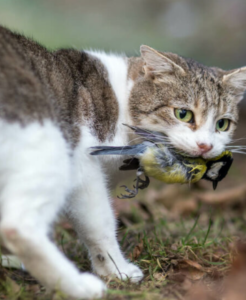
Outdoor and roaming cats are a major threat to garden birds.
Safer practices
- Keep pet cats indoors as much as possible
- Avoid ground feeding if cats visit your yard
- Provide shrubs and cover so birds can escape
- Keep feeding areas away from places where cats may stalk birds
Avoid Harmful Chemicals
Pesticides and herbicides can reduce the insect life birds depend on and may also harm wildlife directly. A healthier bird garden usually starts with fewer chemicals and more natural planting choices.
Seasonal Tips to Attract Birds Year-Round
Spring
Spring is all about nesting, territory, and high-protein food sources.

What to do in spring
- Plant native flowers and shrubs
- Clean feeders and birdbaths
- Prepare nest boxes
- Avoid pesticide spraying
- Support insect life naturally
Summer
Water becomes especially important during hot weather.
What to do in summer
- Refill birdbaths often
- Keep water cool and clean
- Provide shade around feeding and bathing areas
- Clean hummingbird feeders more frequently
- Deadhead selectively while leaving some habitat value
Autumn
This is the season to help migrating birds and prepare for winter.
What to do in autumn
- Leave seed heads standing
- Keep berry-producing plants available
- Add suet and high-energy foods
- Reduce heavy garden cleanup
- Refresh shelter zones before cold weather arrives
Winter
Winter is the hardest season for birds to find food and water, so your garden becomes even more valuable.
What to do in winter
- Provide high-energy seed and suet
- Break ice on water sources if needed
- Keep feeders dry and clean
- Maintain evergreen shelter
- Refill feeding stations consistently
Easy DIY Bird Garden Ideas

Set Up a Mini Bird Station on a Balcony
Even a small balcony can support birds.
Use:
- One pot with native flowers
- One pot with a compact shrub
- A shallow water dish with stones
- A small hanging feeder if safe
Build a Pollinator-and-Bird Border
Plant a strip with:
- One small native tree
- Two berry shrubs
- Flowering perennials
- Native grasses
This creates food, insects, cover, and beauty all at once.
Create a Safer Window Feeding Station
Place a feeder near a treated window so you can enjoy close-up birdwatching while reducing the risk of window collisions.
Turn One Quiet Corner Into a Shelter Zone
Leave leaves under shrubs, add a brush pile, and plant dense cover. This can become a reliable hiding place for shy birds.
Quick Comparison Table: What Attracts Birds Best?
| Garden Feature | Main Benefit | Best For | Drawback |
|---|---|---|---|
| Native Plants | Natural food and shelter | Long-term bird activity | Takes time to establish |
| Birdbath | Attracts many species quickly | Small and large gardens | Needs cleaning |
| Feeders | Fast results | Beginners and winter support | Can spread disease if neglected |
| Shrubs and Cover | Safety and nesting support | Keeping birds around longer | May look less tidy |
| Nest Boxes | Supports breeding birds | Suitable local species | Must be installed correctly |
Key Takeaways
- Birds stay where they find food, water, shelter, nesting space, and safety.
- Native plants are the best long-term investment for a bird-friendly garden.
- Birdbaths can sometimes attract birds faster than feeders.
- Feeders work best when combined with natural habitat features.
- Shrubs and layered planting help birds feel secure.
- A clean and safe garden matters more than a decorative one.
- Even a balcony or small patio can attract birds with the right setup.
FAQ
What are some effective bird garden ideas to attract birds?
The fastest way is to provide fresh water and a reliable feeder. A clean birdbath often attracts birds quickly, especially during warmer months.
Do I need a large garden to attract birds?
No. Even a small yard, patio, or balcony can attract birds if it offers water, plants, and safe shelter.
What kind of food brings in the most birds?
Black oil sunflower seeds are one of the best all-around choices because they attract many common garden birds.
How often should I clean a bird feeder?
You should clean it regularly, especially during wet weather or heavy use. Do not let moldy seed or droppings build up.
Are native plants actually better than ornamental plants?
Yes. Native plants usually provide better food, shelter, and insect support for local bird species.
Where should I put a birdbath?
Place it where birds can see predators approaching, but with some nearby cover for safety.
Can birds be attracted year-round?
Yes. With seasonal food, clean water, shelter, and safe planting, your garden can attract birds in every season.
Conclusion
A bird-friendly garden is not just about adding a feeder. It is about creating a place where birds can eat, drink, rest, hide, and return again and again. By combining native plants, clean water, thoughtful feeding, and natural shelter, you are doing more than making your garden beautiful. You are bringing it to life.
Start simple. Add a birdbath. Plant a few native species. Keep feeders clean. Let one part of your garden feel a little more natural. Over time, those small changes can turn an ordinary outdoor space into a thriving sanctuary for birds.


