
How to Check Tire Pressure (2026): Correct PSI, TPMS Light Fixes, Step-by-Step Instructions, Safety Tips & Common Mistakes to Avoid

You own a car now. You must take care of it. One key task is checking your tires. It keeps you safe on the road. It also saves you money on gas. Let us learn how.
Many new drivers feel scared of car care. You do not need to worry. Checking air is very simple. You can do it in ten minutes. This guide makes it easy for you.
Low air can cause big problems. Your car might slip. Your tires can wear out fast. You might even blow a tire while driving. Safe tires help you stop fast when you need to.
You only need a few simple tools. Most tools cost very little. You can find them at any local shop. Let us look at what you need to know about air in your tires.
What is Tire Pressure?
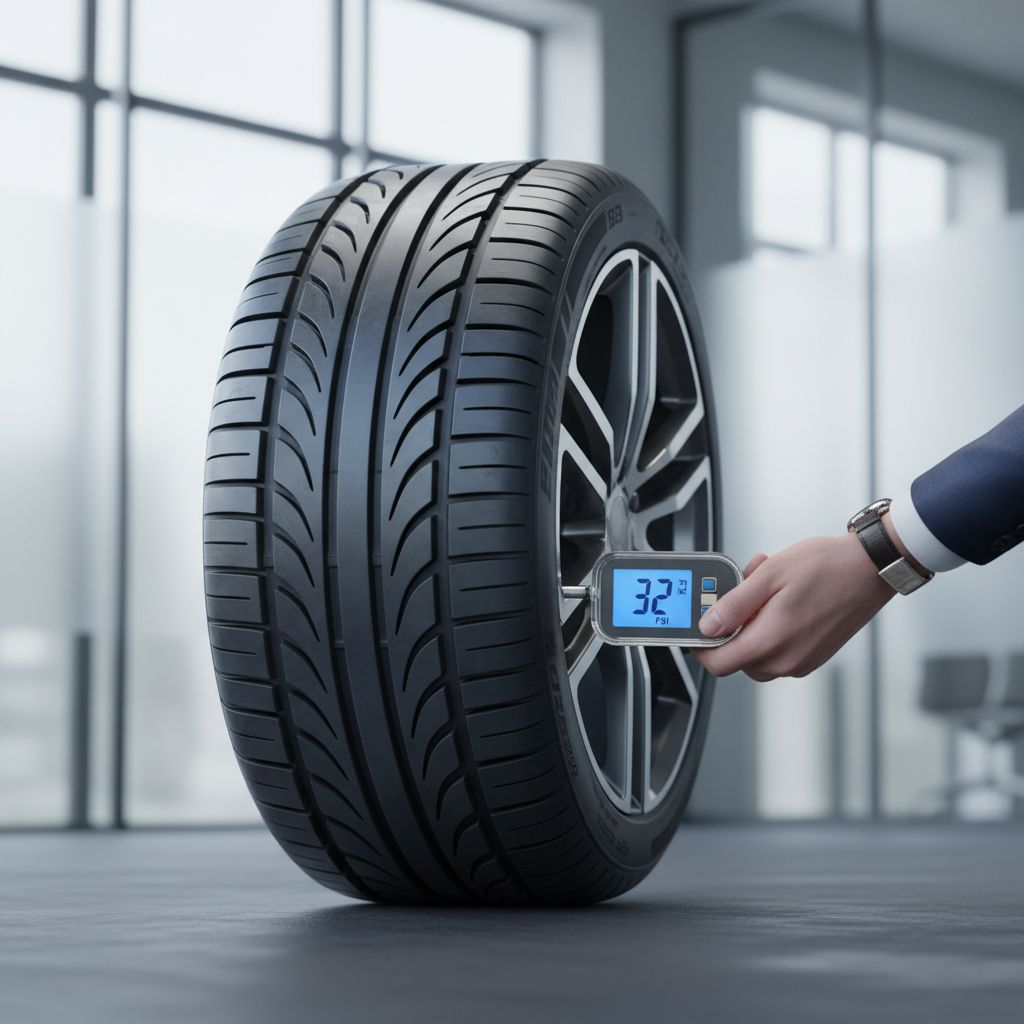
Tire pressure is the amount of air inside your tire. We measure this air in pounds per square inch (PSI). This number tells us how tight the air is packed inside the rubber tire.
Think of a balloon. Too much air makes it pop. Too little air makes it sag. Your tires act the same way. They need just the right amount of air to work well.
Every car has a specific air level. This is your recommended tire pressure. It is set by the people who made your car. It is not the number printed on the tire itself.
The number on the tire is the max limit. Never fill your tire to that max limit. It can be dangerous. Always use the number made for your specific car model instead.
Proper air levels help your car roll smoothly. This means your engine does not work as hard. You use less fuel. Your tires also last much longer. You save money.
Why You Must Check Your Tires
Your tires lose air every single day. Air leaks out of the rubber very slowly. You cannot stop this leak. It is a natural process. That is why you must check them.
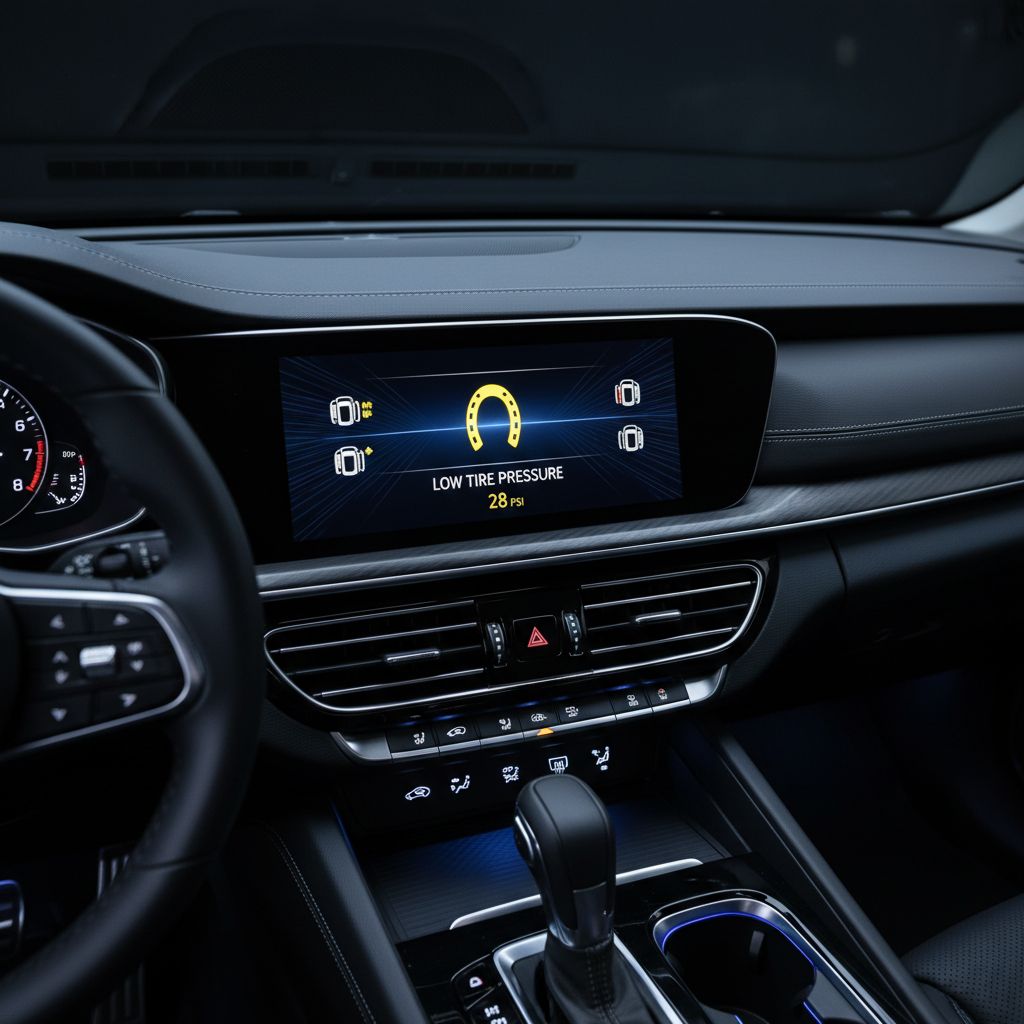
Modern cars have a special safety system. It is the tire pressure monitoring system (TPMS). This system watches your air levels. It warns you when the air gets too low.
When air gets low, a light shines. This is the tire pressure warning light. It looks like a yellow horseshoe with an exclamation point. Do not ignore this light when it turns on.
Sometimes the light does not turn on right away. It only shines when air is very low. Your tires could be low before the light glows. Manual checks are still necessary.
Driving with low air hurts your ride. The car may feel heavy. It may pull to one side. You will also feel more bumps. Correct air makes your ride smooth and soft.
Bad air levels can cause flat tires. Changing a flat tire on the road is hard. It can also be very unsafe. Checking your air helps you avoid these bad road events.
Finding Your Recommended Tire Pressure
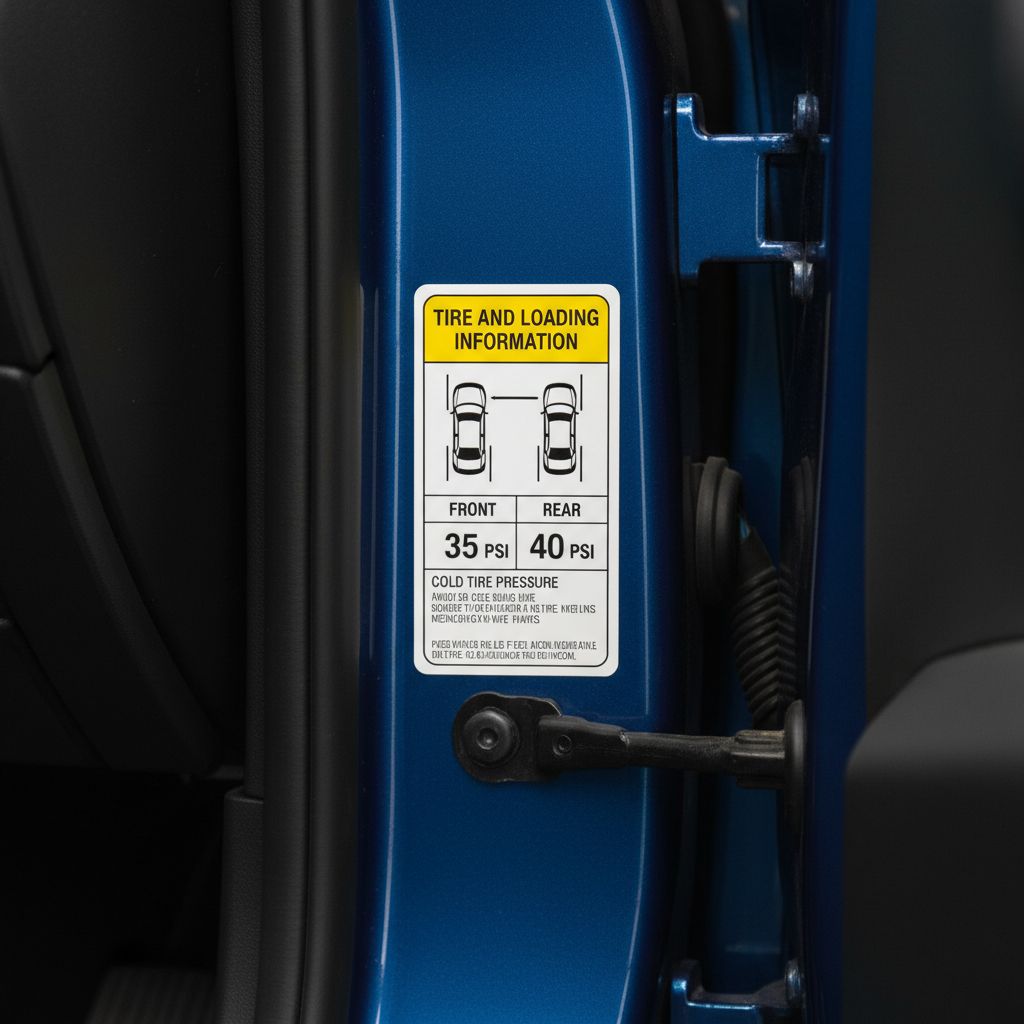
Where do you find the right air number? Do not guess. Look at your driver’s side door jamb. This is the metal frame where the door clicks shut. You will see a sticker.
The sticker is often white or yellow. It lists the correct PSI for your front tires. It also lists the PSI for your rear tires . Sometimes these numbers are different .
Read the sticker carefully. It may also show the weight limit. If you cannot find the sticker, look in your manual . The car manual is usually in your glove box .
The manual has a section on tires. It lists the exact PSI for your car . It may also list the PSI for your spare tire. Do not forget to check that spare tire too.
Remember that the tire side has a number too. This is the max pressure. Never use this number for daily driving. It is only the limit the tire can hold .
Some cars have different numbers for heavy loads. If you carry many things, you may need more air. Check your manual for these details. It will keep your car safe.
Choosing Your Tire Pressure Gauge
BUY AMAZON
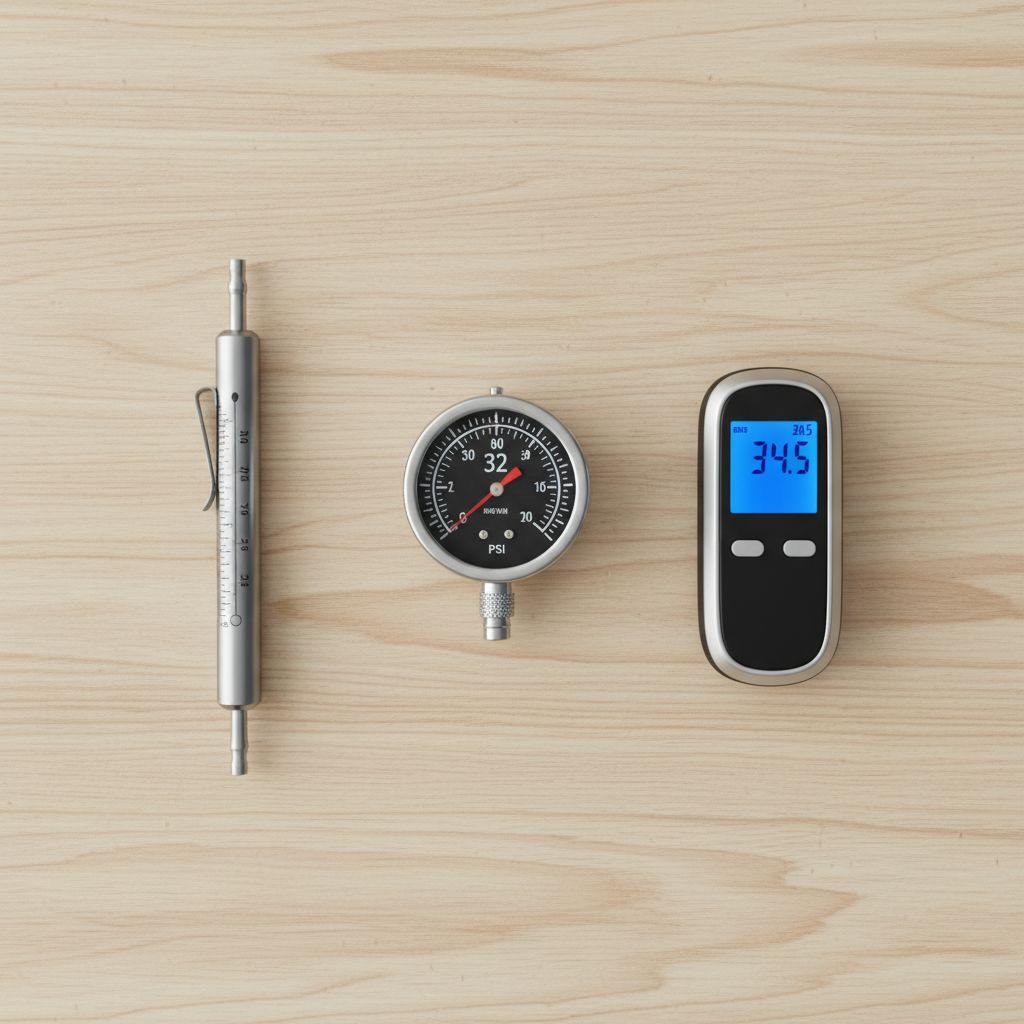
You need a tool to measure the air. This tool is a tire pressure gauge. There are three main types of gauges. They are all easy to use. Let us look at them.
The first type is a stick gauge . It looks like a metal pen . A small bar slides out of the bottom [2]. This bar shows the PSI. They are very cheap and small .
The second type is a dial gauge . It has a round face with a needle [2]. It looks like a clock. It is very easy to read [2]. Many people prefer this style.
The third type is a digital tire pressure gauge . It has an electronic screen [2]. It shows the exact number in big digits [2]. Some even have a light. This helps you see in the dark.
Digital gauges are very accurate [2]. They are great for beginners. They do not cost much. You can buy one for under fifteen dollars. They run on small batteries.
Keep your gauge in your glove box. Do not leave it in a wet place. A dry place keeps it working well. Test it once a year to make sure it is accurate.
You can also find gauges at gas stations. These are often on the air hose. They can be old and broken. It is always best to use your own personal gauge.
How to Check Tire Pressure with a Gauge
BUY AMAZON
Now you are ready to test. You must start with cold tires. This means your car has sat still for three hours [3]. Or, you have driven less than one mile.
Hot tires show a higher air reading . This is because heat makes air expand. If you check hot tires, the number will be wrong. You might let out too much air.
First, park your car on flat ground. Turn off the engine. Grab your gauge and a clean cloth. Walk to your first tire. It does not matter which one you start with.
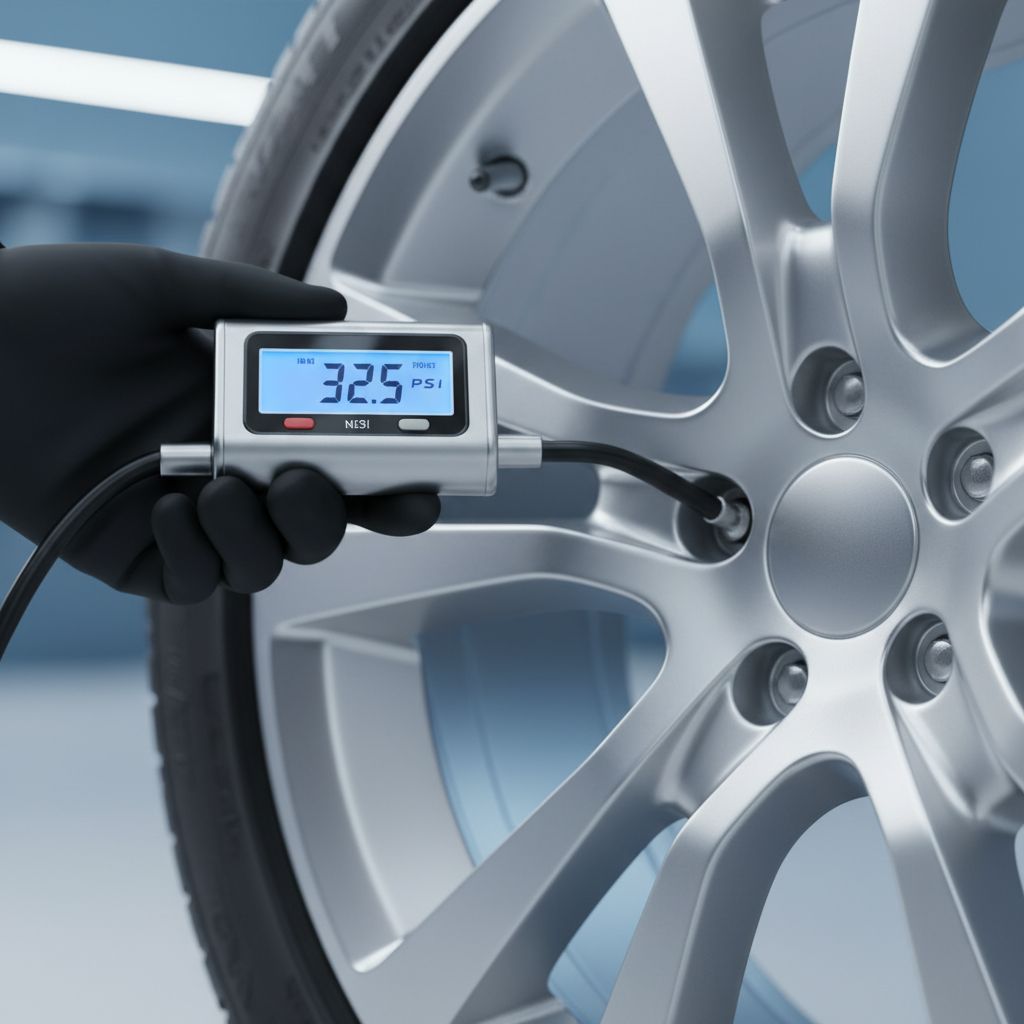
Find the valve stem [2]. This is a small black tube sticking out of your wheel [2]. It has a tiny plastic cap [2]. Unscrew this cap [2]. Put it in your pocket so you do not lose it.
Press your tire pressure gauge onto the valve stem. Press it straight and hard [2]. You might hear a brief hiss of air [2]. This is normal. Press harder until the hiss stops .
Look at your gauge [2]. Read the number shown on the screen or dial. Write this number down on a piece of paper. This helps you remember it for later.
Repeat this step for all four tires. Do not forget to check your spare tire. The spare tire can lose air too. You want it ready if you get a flat.
Put the plastic caps back on the valve stems. Screw them on tight. These caps keep dirt and moisture out of the valve. Clean valves prevent air leaks.
How to Check Tire Pressure Without a Gauge
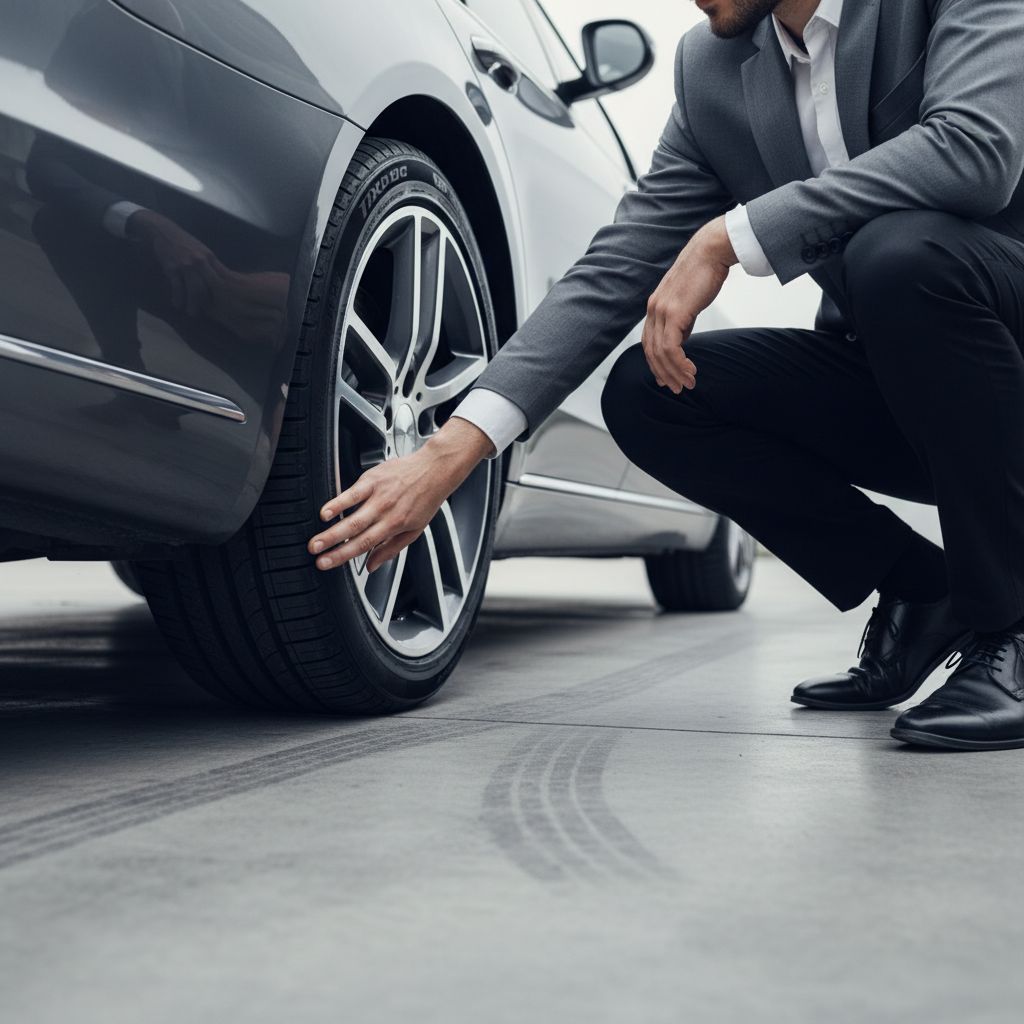
What if you do not have a tool? You can learn how to check tire pressure without a gauge. This is not perfect. But it can help in a pinch.
The first way is the eye test. Park your car on flat ground. Walk around and look at each tire. Look for any tire that looks flatter than the others.
Look at where the rubber meets the road. A low tire will bulge out at the bottom. This bulge means you need air. If it looks very flat, do not drive.
The second way is the push test. Press your hand hard on the tread. Or, kick the tire gently with your foot. A full tire will feel very hard.
A low tire will feel soft. It may give way under your weight. This test only works if the air is very low. It will not show small leaks.
The third way is the thumb test. Press your thumb into the side of the tire. If you can push it in, the tire is low. Always get a gauge as soon as you can.
How to Inflate Tires Safely
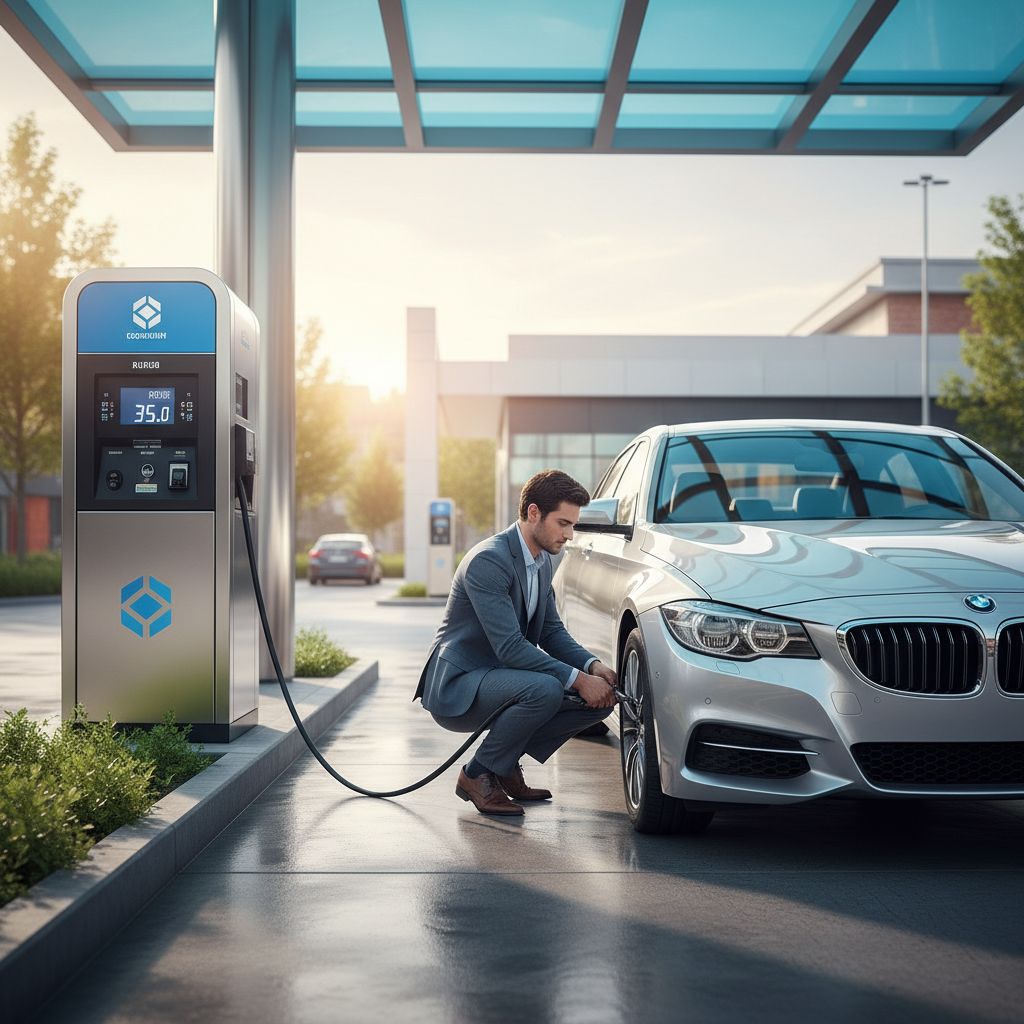
If your air is low, you must add more. You can learn how to inflate tires at home or at a gas station [2]. Most gas stations have an air pump.
Park close to the air machine. Make sure the hose can reach all four wheels. Take off the valve caps. Put them in a safe place. Have your gauge ready.
Put money in the machine if needed. Press the hose nozzle onto your valve stem [2]. You will hear air rushing in. Hold it tight. Fill for ten seconds .
Stop and check the air with your gauge . If it is still low, add more air. If you put in too much, press the metal pin inside the valve to let air out .
Keep checking until you reach your recommended PSI. Once you hit the target, stop. Put the valve caps back on. Make sure they are tight. This keeps your tires safe.
Do this for each tire that was low. If you used a gas station pump, pay attention to the gauge on the hose. It is always best to double check with your own.
Some modern air pumps let you set the PSI first. They will beep when the tire is full. This is very helpful. It prevents you from overfilling your tires.
How Temperature Changes Your Tires
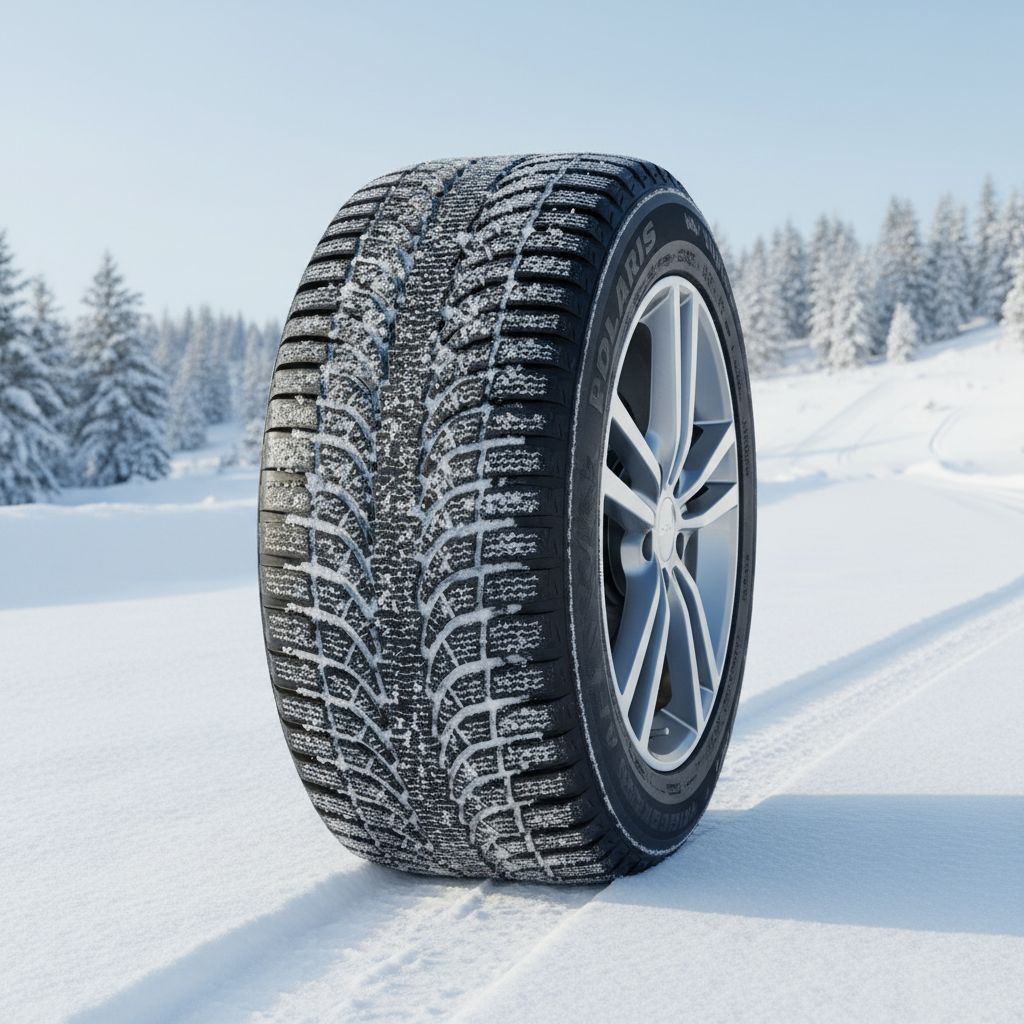
You may wonder: How much does tire pressure change with temperature? The answer is simple. Temperature has a big effect on the air inside your tires. It changes with the weather.
For every ten degrees the temperature drops, your tires lose about one PSI [9]. This happens because cold air shrinks. The air molecules pack closer together. This lowers the pressure.
This is why your light often comes on in winter. The first cold morning of the year is a common time. Do not panic. Your tires just need a little extra air.
The opposite happens in the summer. When it gets hot, air expands [9]. Your tire pressure will go up. It can rise by several PSI on a very hot day.
Never let air out of hot tires. If you do, they will be too low when they cool down . Always wait for them to cool before you make any changes.
Keep this temperature rule in mind when seasons change. Check your tires more often in fall and spring. This keeps your car running safe all year long. It prevents sudden warnings.
Driving with Low Tire Pressure
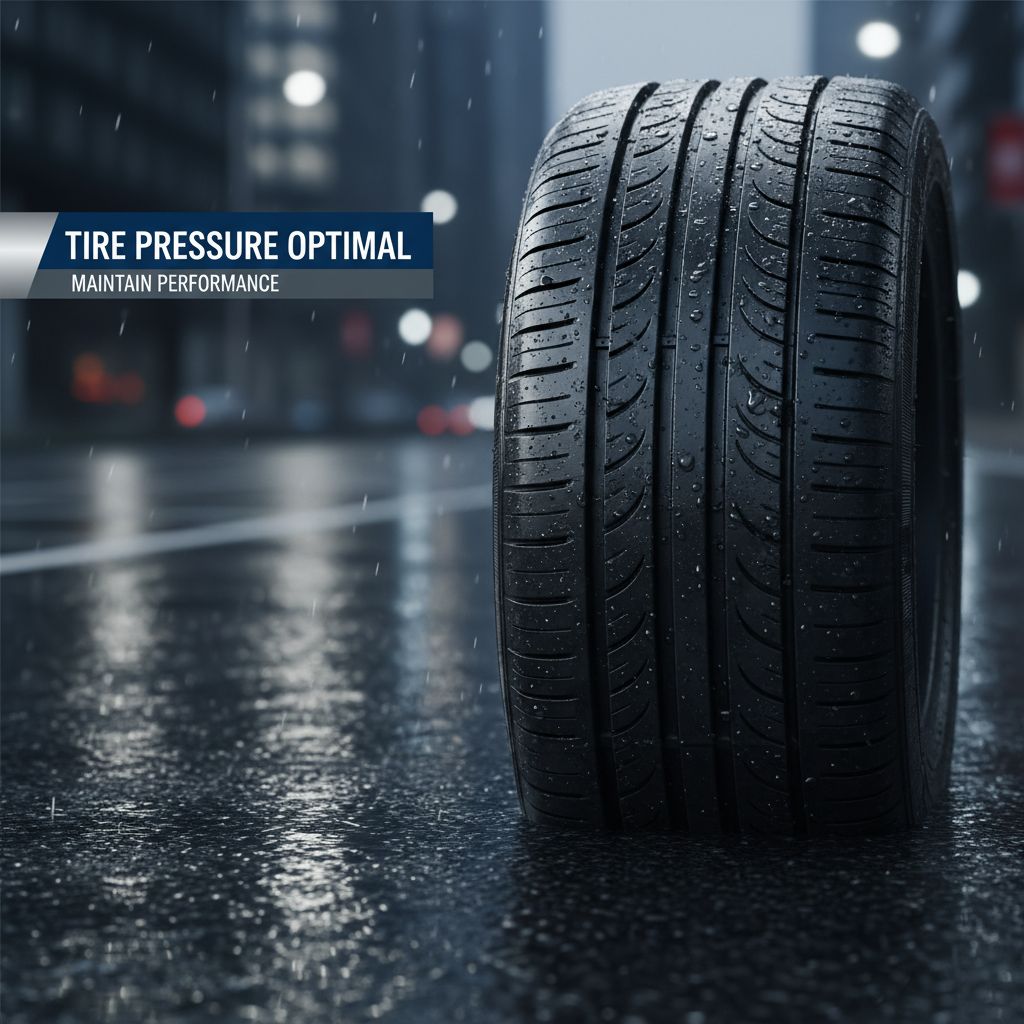
Can you drive with low tire pressure? The short answer is no. It is not safe to drive on flat or low tires. You should fix them right away.
Driving on low tires causes too much heat. This heat can damage the rubber. It can cause the tire to fall apart while you are driving fast. This is very dangerous.
Your car will also use more gas. This is because the tire has more contact with the road. It creates more drag. Your engine must work harder to move.
Low air also makes it hard to steer. Your car may slide on wet roads. It will take longer to stop. This increases your risk of a crash. Safe steering needs proper air.
If your light is on, drive slowly to the nearest air pump. Avoid high speeds. Do not drive long distances. Get air as soon as you can. Your safety is key.
If a tire is completely flat, do not drive at all. You will ruin your wheel frame. Replacing a wheel frame costs a lot of money. Call for help instead.
When and How Often to Check
How often should I check my tire pressure? You should check your tires at least once a month. This is a good habit for every driver. It keeps you safe.
You should also check them before long trips. Highway driving puts extra stress on tires. A full tire handles the heat of high speeds much better. Check them before you leave.
Check them when the seasons change [9]. As we learned, cold weather drops the air level . A quick check in autumn can save you from a morning warning light. Stay ahead of it.
If you hit a deep pothole, check your tires. Potholes can cause slow leaks. They can also damage the wheel. A quick test will tell you if there is damage.
Do not wait for the dashboard light to shine. The light is a backup plan. Regular checks help you find slow leaks before they become big problems. It is simple care.
Troubleshooting the TPMS Light
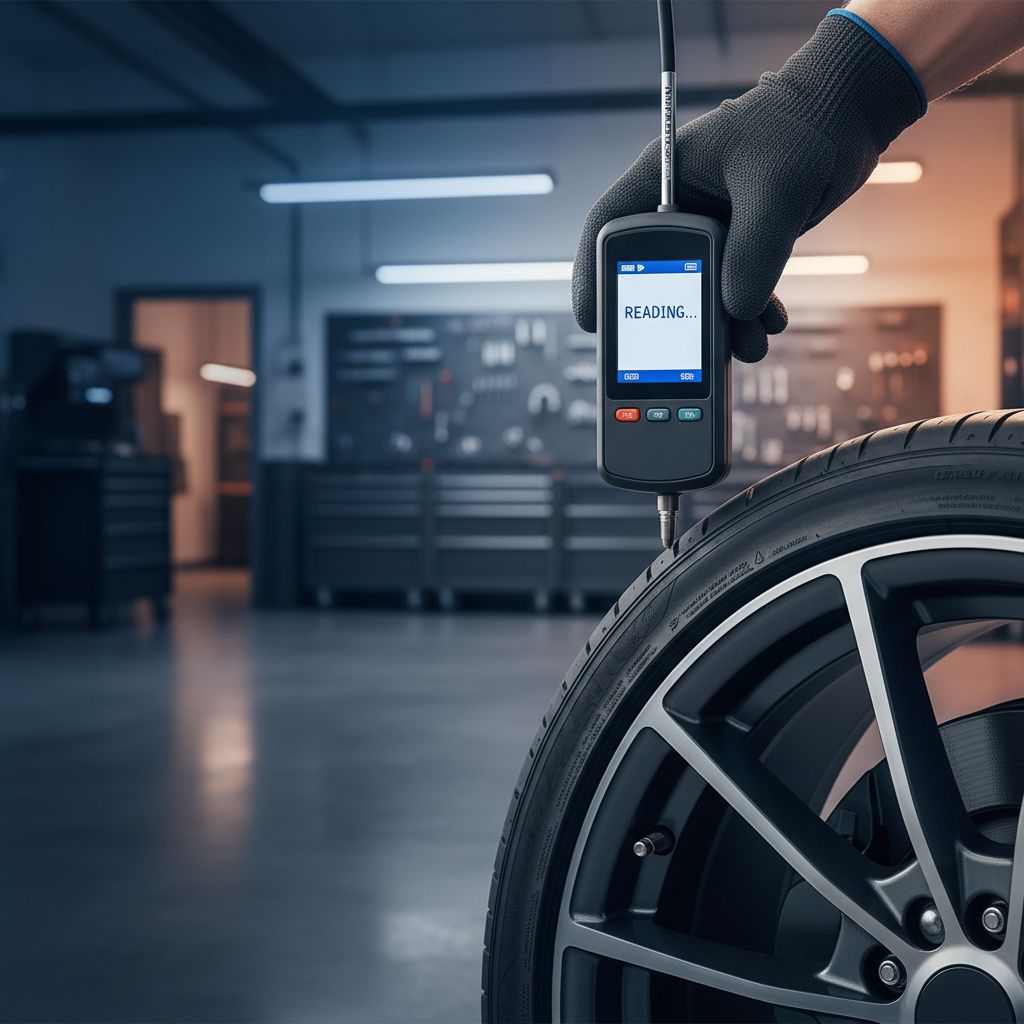
Why is my low tire pressure light on but tires are fine? This is a common question. Sometimes the light stays on even after you fill the tires. There are a few reasons.
First, the system may need a reset. Some cars have a reset button. You can find it under the steering wheel. Or, you can reset it through your screen.
Second, you might have a bad sensor. The sensors run on small batteries. These batteries die after several years. A dead battery means the sensor stops working. You must replace it.
Third, the spare tire might be low. Some cars monitor the spare tire too. If you checked the four main tires, check the spare next. It might solve the mystery.
Fourth, sudden temperature drops can trick the sensor [9]. The light may turn on in the morning. It may turn off later as the air warms up [9]. This is very normal.
If the light flashes, there is a system error. It means the TPMS is not working. You should take your car to a shop. They can fix the sensors.
Tire Pressure Comparison Table
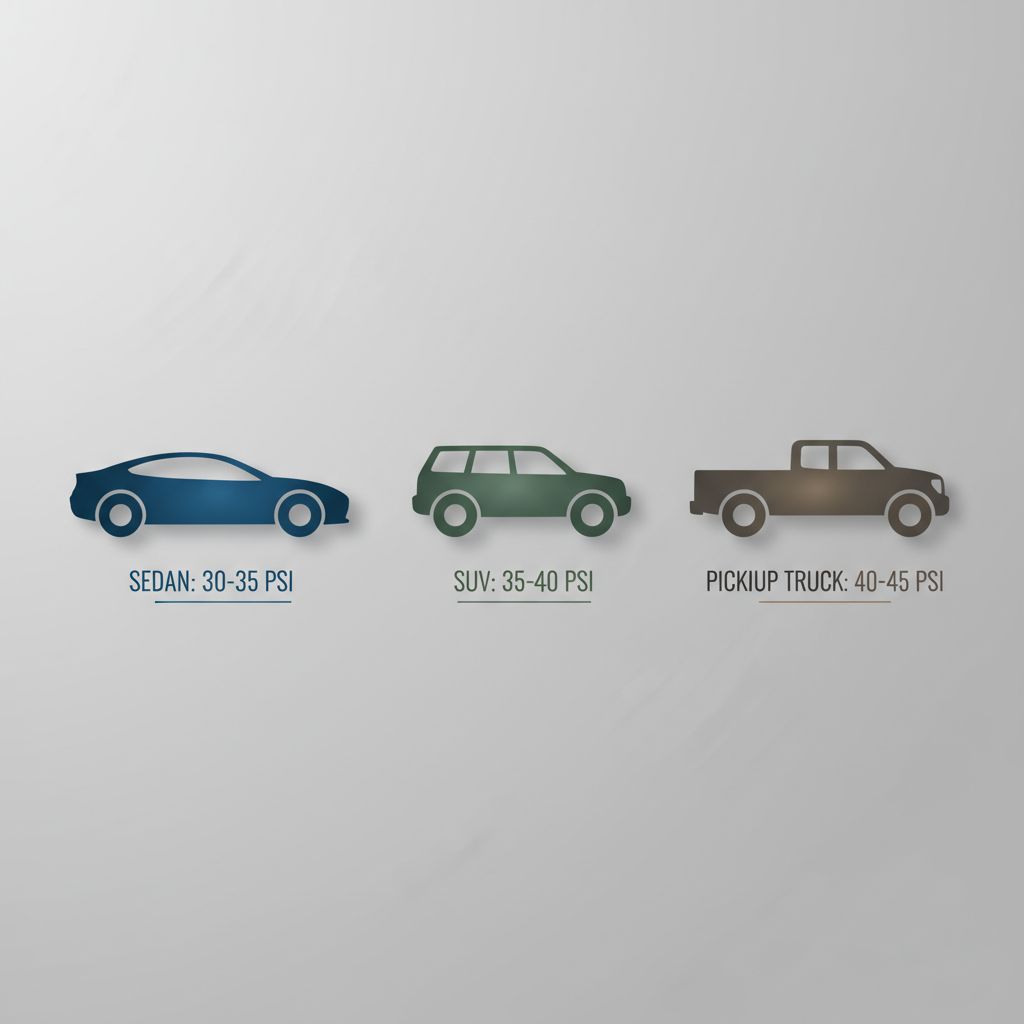
Different types of cars need different air levels. Let us look at a simple guide. This shows the typical PSI for various vehicles. Always check your own sticker.
| Vehicle Type | Typical PSI Range | Where to Find Exact PSI |
|---|---|---|
| Sedan / Compact Car | 30 – 35 PSI | Driver’s Side Door Frame [1, 3] |
| SUV / Crossover | 32 – 38 PSI | Driver’s Side Door Frame [1, 3] |
| Pickup Truck | 35 – 45 PSI | Driver’s Side Door Frame [1, 3] |
| Spare Tire (Compact) | 60 PSI | Tire Sidewall / Manual |
Smaller cars usually need less air. Larger trucks need more air to carry heavy loads. Keeping the right level ensures your vehicle runs at its best. It keeps you safe.
Check your spare tire too. Spare tires often need much higher pressure. Some compact spares need up to sixty PSI. Read the side of the spare to be sure.
Summary of Best Practices
Description: A tidy garage shelf showing a digital tire gauge, a clean microfiber cloth, and a car owner’s manual stacked neatly together under warm, soft lighting.
Taking care of your tires is easy. It is a great first step in car care. You do not need to be a mechanic. Just follow these simple steps.
Buy a good digital gauge. Keep it in your car. Check your air once a month when the tires are cold . Use the PSI from your door frame. This is easy.
Fill your tires when they are low. Do not ignore the warning light. Safe tires mean a safe trip for you and your family. Enjoy your smooth ride. It is simple.
You now know how to care for your tires. Share this knowledge with other drivers. Keep your tires rolling safe and strong. Happy driving to you. You are ready now.
Frequently Asked Questions
How often should I check my tire pressure?
Check your tire pressure at least once a month [3]. Also check it before any long road trip. This keeps your tires safe and helps you save money on fuel.
Can you drive with low tire pressure?
No, you should not drive with low tire pressure. It makes steering hard and can cause a flat tire. Fill your tires with air as soon as possible.
Why is my low tire pressure light on but tires are fine?
The light may stay on because of a cold morning [9]. It could also mean a sensor battery is dead. Check your spare tire, as it may be low on air.
How much does tire pressure change with temperature?
Tire pressure drops by about one PSI for every ten degrees the temperature falls [9]. It goes up when it gets hot [9]. Always check tires when they are cold [1, 3].
How do I find the recommended tire pressure for my car?
You can find it on a sticker inside the driver’s side door frame [1, 3]. You can also find it in your car owner’s manual [1]. Do not use the tire side number [1].


