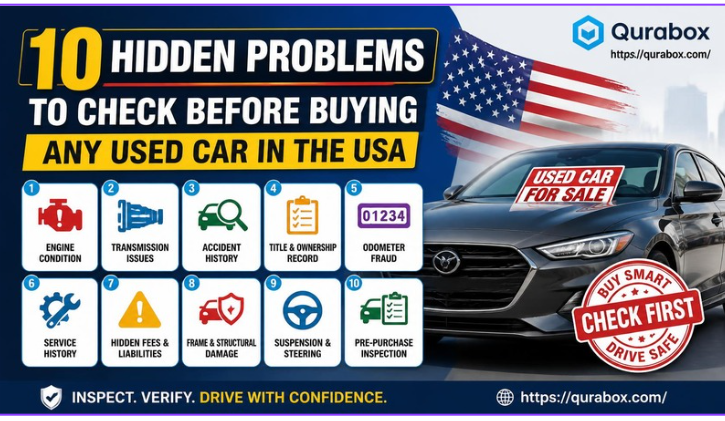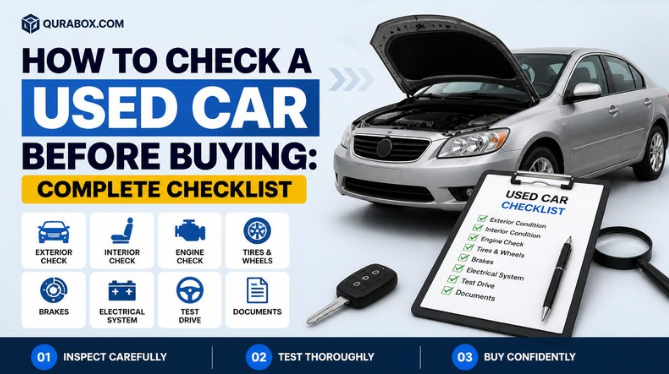
Buying a used car can save you money. It is also an exciting step. But some cars have hidden problems. You must check the car carefully before you buy it.
A bad deal can cost you thousands of dollars. So, how do you inspect a used car before buying? This checklist will help you find a great car. It will keep your money safe.
You will learn exactly what to look for when buying a used car. We will cover the engine, body, and paperwork. Let us look at the first steps of your search.
What Should You Check First When Buying a Used Car?
Change / Regenerate Image
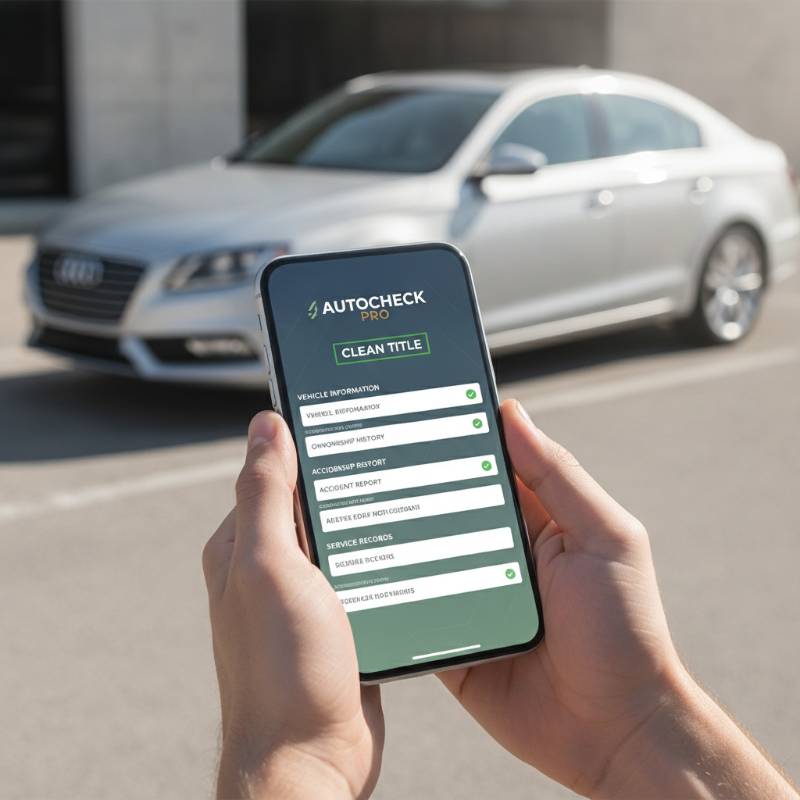
Context:“A person using a smartphone to run a vehicle history report …”
You must start your check before you see the car. Always ask the seller for a VIN check for used cars. This is the code of the car.
Use the VIN to run a vehicle history report. This report is a vital first step. It shows if the car has a clean title. It also shows past accidents.
The history report will show the odometer readings over time. This helps you spot odometer fraud. You can also see if the car was ever in a bad flood.
If the history report has major red flags, walk away. Do not waste your time on a bad car. There are plenty of other good used cars to buy.
Used Car Paperwork Checklist
Change / Regenerate Image
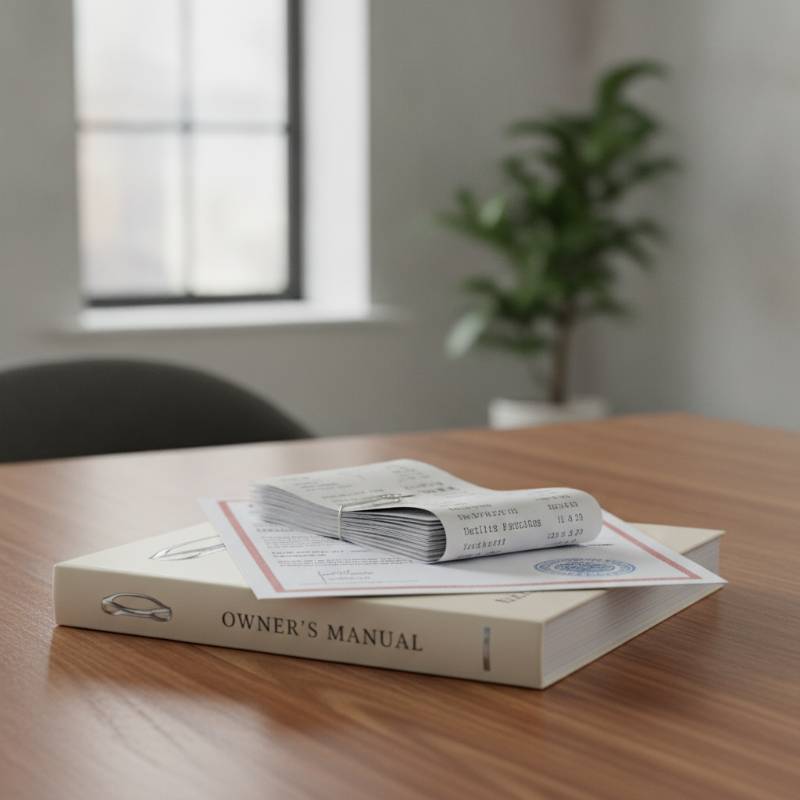
Context:“An organized folder containing used car paperwork, service r…”
You must check the paperwork before you pay any money. Always ask the seller to show you the physical title. The title proves who owns the car. Make sure it is clean.
A salvage title means the car was in a major crash. Insurance companies deemed it a total loss. Avoid cars with salvage titles because they can be very unsafe.
Next, look at the service records of the vehicle. Good owners keep clear records of oil changes. They also keep receipts for tire rotations and major repairs. This shows care.
Check if the owner manual is still in the glove box. Make sure the VIN on the paperwork matches the VIN on the car dashboard. They must match exactly.
How to Inspect a Used Car Engine
Change / Regenerate Image
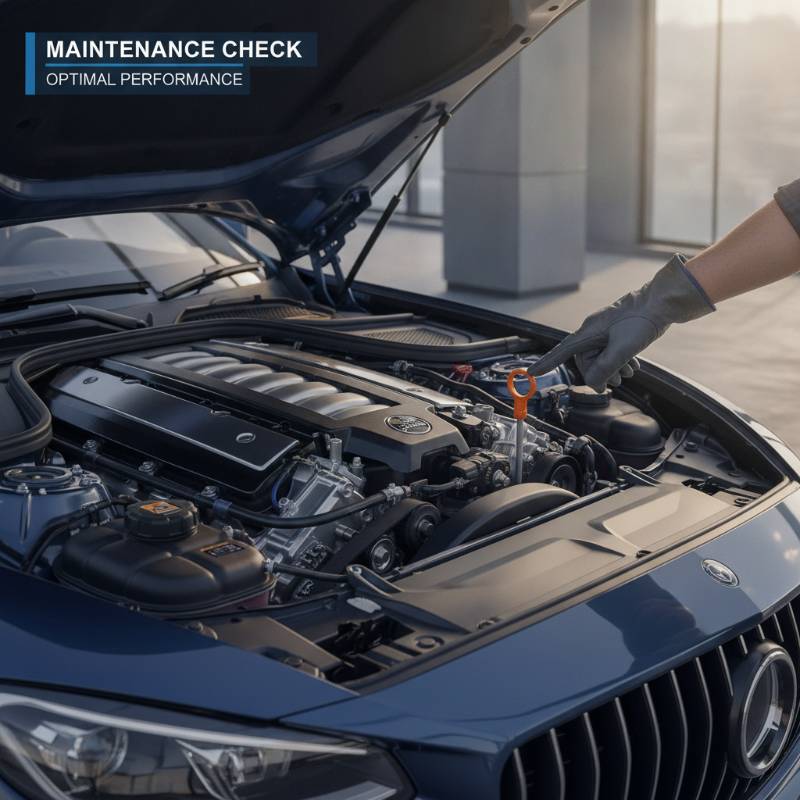
Context:“A clean used car engine bay with the hood open, highlighting…”
Pop the hood to inspect the engine. The engine should look clean. It should not have fresh fluid leaks. Look for wet spots on the engine block. Check the ground too.
Pull the engine oil dipstick out. Wipe it with a clean paper towel. Insert it and pull it out again. The oil should be light brown or dark black.
If you see thick white sludge on the oil cap, stop. This sludge is a sign of water in the oil. It often means a blown head gasket. This is costly.
Check the coolant level in the plastic tank. The coolant should be bright green, orange, or pink. It should never look dark brown or dirty. Dirty coolant is bad.
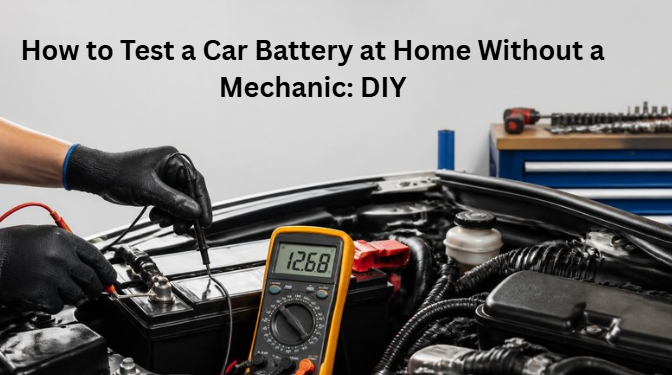
Look at the belts and rubber hoses. They should not have cracks or splits. Check the battery terminals. They should be clean and free of white rust or crust.
Checking Used Car for Rust and Body Damage
Change / Regenerate Image
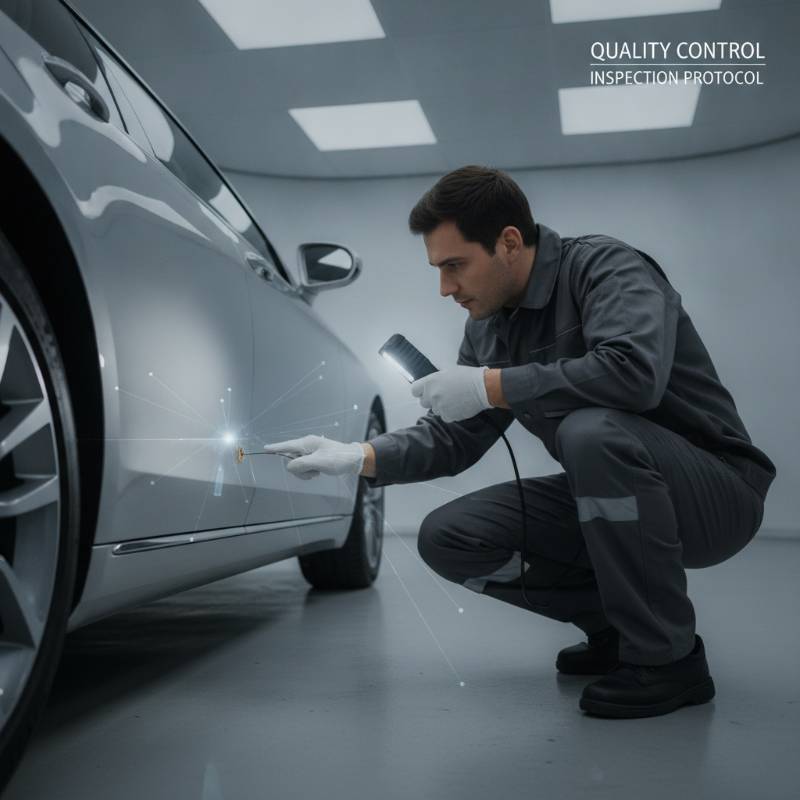
Context:“A close-up of a car wheel arch and rocker panel being inspec…”
Walk around the car in bright daylight. Look at the paint on each panel. The paint should match perfectly. Mismatched paint is a clear sign of past body work.
Look at the gaps between the doors and fenders. The gaps should be even. Uneven gaps mean the car was in a crash. The frame might be bent now.
Be sure you are checking used car for rust on the frame. Rust eats metal over time. It can make the car very unsafe. Avoid cars with deep frame rust.
Inspect all four tires carefully. The tread should be deep and even. Uneven tread wear means the car needs an alignment. It could also mean bad suspension damage.
Used Car Test Drive Checklist

Change / Regenerate Image
Context:“A driver’s perspective inside a used car during a test drive…”
Turn the key or press the start button. The car should start very quickly. Listen to the engine when it is cold. A cold start reveals hidden noises.
Drive the car on different roads. Try stop-and-go city streets. Also drive on a fast highway. You want to feel how the car handles at high speeds. Turn often.
Feel the brakes when you stop. The brakes should feel firm. They should not squeak or grind. The car should never pull to one side when you brake.
Pay attention to the transmission. The gear shifts should be smooth. If the transmission slips or hesitates, walk away. This is a very costly fix to make.
Turn on the air conditioner and heater. Test the radio and all power windows. Check the dashboard for warning lights. No warning lights should ever stay on. Test everything.
Can You Ask a Mechanic to Inspect a Used Car?
Change / Regenerate Image
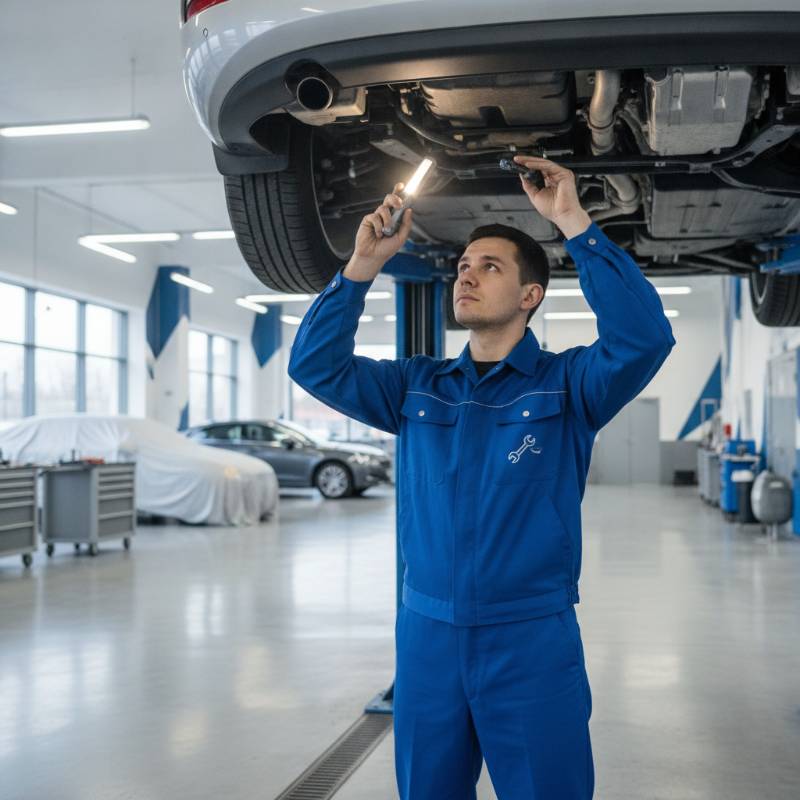
Context:“A professional mechanic in a garage inspecting a used car ra…”
Yes, you can ask a mechanic to inspect the car. This second hand car inspection is a smart step. It is the best way to protect your money. Do this.
A professional mechanic has special tools. They can lift the car to check the underside. They can find hidden rust and frame damage very easily. This is vital.
Most mobile mechanics will go to the seller. Or you can drive the car to a local shop. The cost is usually one to two hundred dollars. It is cheap.
If the seller refuses to let a mechanic check the car, walk away. This is a major red flag. Honest sellers have nothing to hide from a buyer.
What are the Red Flags When Buying a Used Car?
Change / Regenerate Image
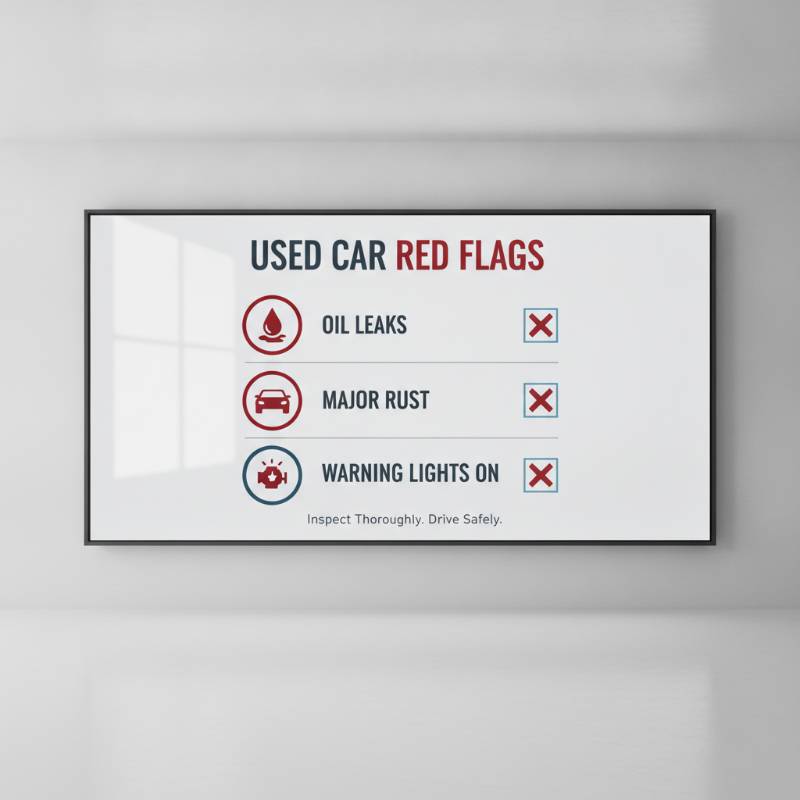
Context:“A warning sign pointing to key red flags on a used car like …”
You must watch for warning signs during your check. Some issues mean you should not buy the car. These are red flags that save you from huge trouble later.
The first red flag is a missing title. Never buy a car without a physical title in hand. The seller might not own the car. It could be stolen.
Another major red flag is fresh paint on the frame. Sellers use fresh paint to hide deep rust. They also use it to cover up old collision damage. Watch out.
Watch out for sweet smells inside the car cabin. A sweet smell can mean a coolant leak. This often points to a bad heater core or engine leak. Be careful.
Used Car Inspection Checklist Table
Change / Regenerate Image
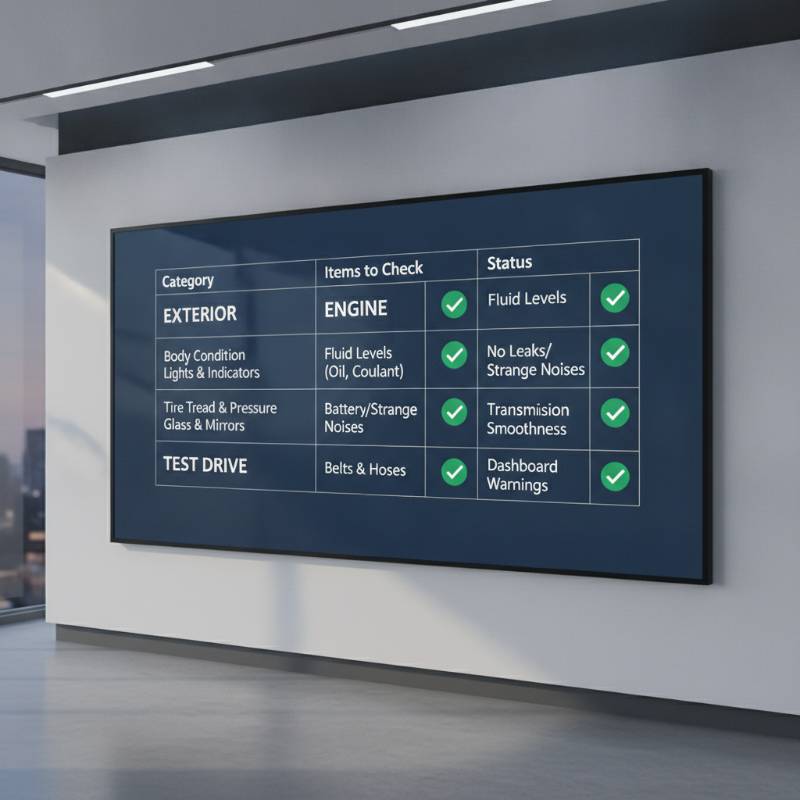
Context:“A clean table summarizing the used car inspection checklist….”
Here is a simple summary of what to check. Use this table when you go to see a used car. It will keep you on track during your visit.
| Category | What to Check | Good Sign | Red Flag |
|---|---|---|---|
| Paperwork | Title and VIN | Clean title in hand, VINs match | Missing title, mismatched VINs |
| Engine | Fluids and leaks | Clean oil, bright coolant | White sludge under oil cap |
| Exterior | Body panels and rust | Matching paint, even gaps | Deep rust, uneven panel gaps |
| Test Drive | Handling and feel | Firm brakes, smooth shifts | Grinding brakes, slipping gears |
This table covers the most important areas of the car. Take your time with each step. Do not let the seller rush you. A good seller will wait.
Final Verdict: Your Used Car Buyer’s Guide
Change / Regenerate Image
Context:“A happy person holding the keys to their newly purchased use…”
Buying a used car is a big decision. You can find a great car if you use this checklist. Always start with a vehicle history report to stay safe from scams.
Do not skip the test drive. Pay close attention to how the car feels on the road. Listen for any strange noises. Trust your gut if something feels wrong during the drive.
Finally, hire a professional mechanic for a full check. It is worth the small cost. You will drive away with absolute peace of mind. We wish you happy car hunting.
Frequently Asked Questions
Can I check a used car myself?
Yes, you can do a basic check yourself. Look for rust, paint mismatch, and fluid leaks. But always hire a mechanic for a deep check. They have special tools.
How much does a pre-purchase car inspection cost?
A pre-purchase car inspection usually costs between one hundred and two hundred dollars. This small cost can save you thousands of dollars in repairs later. It is worth it.
What is the most important thing to check first?
Check the vehicle history report first. Use the VIN of the car to run this report. It reveals major issues like flood damage and past accidents before you visit.
What if the seller refuses a mechanic check?
If the seller refuses to let a mechanic check the car, walk away immediately. This is a major red flag. It means they are hiding a bad problem.